
Daniel Shea / Distance from Nature 004
「森」のために「木」を見る
See the Trees for the Forest
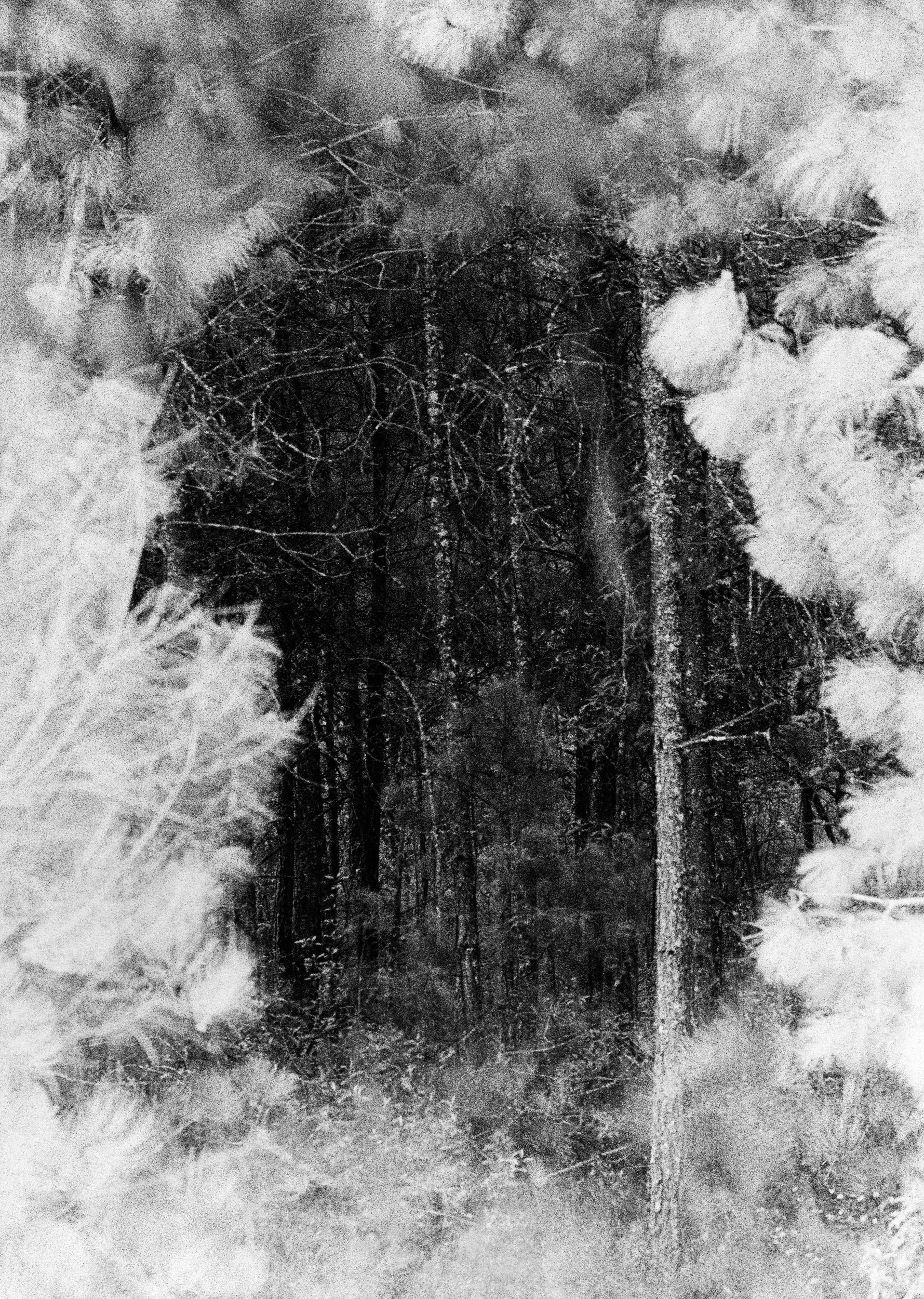
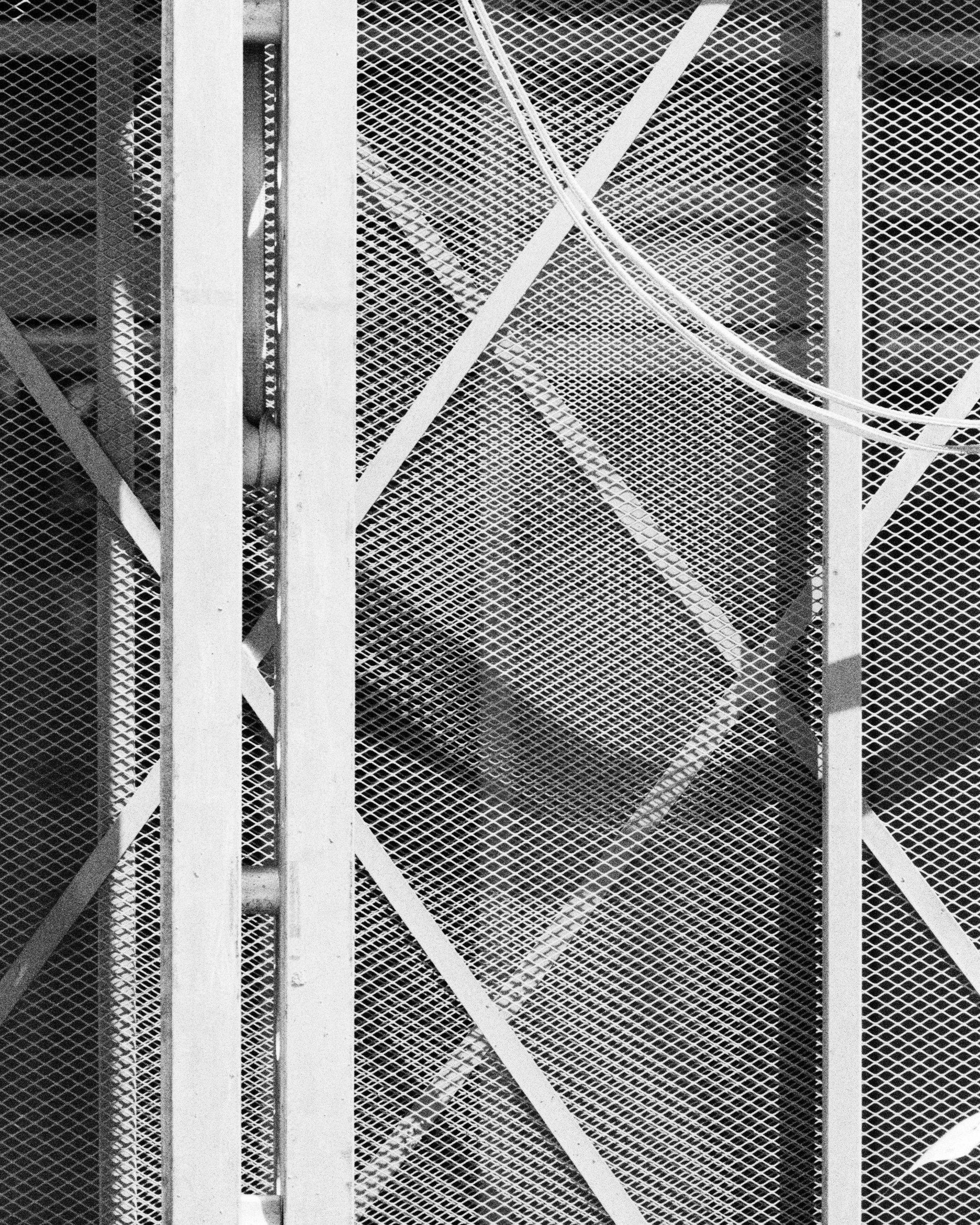
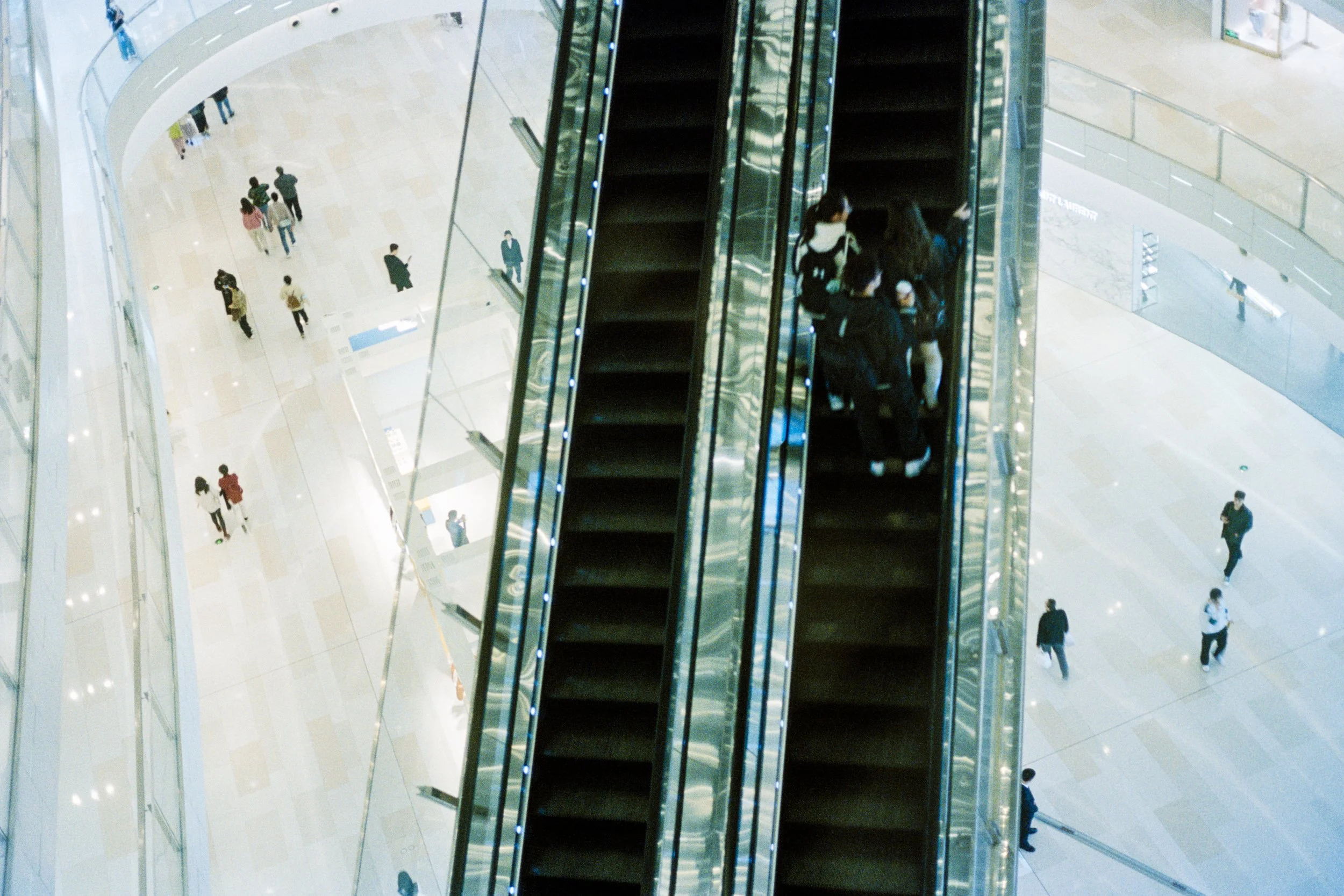
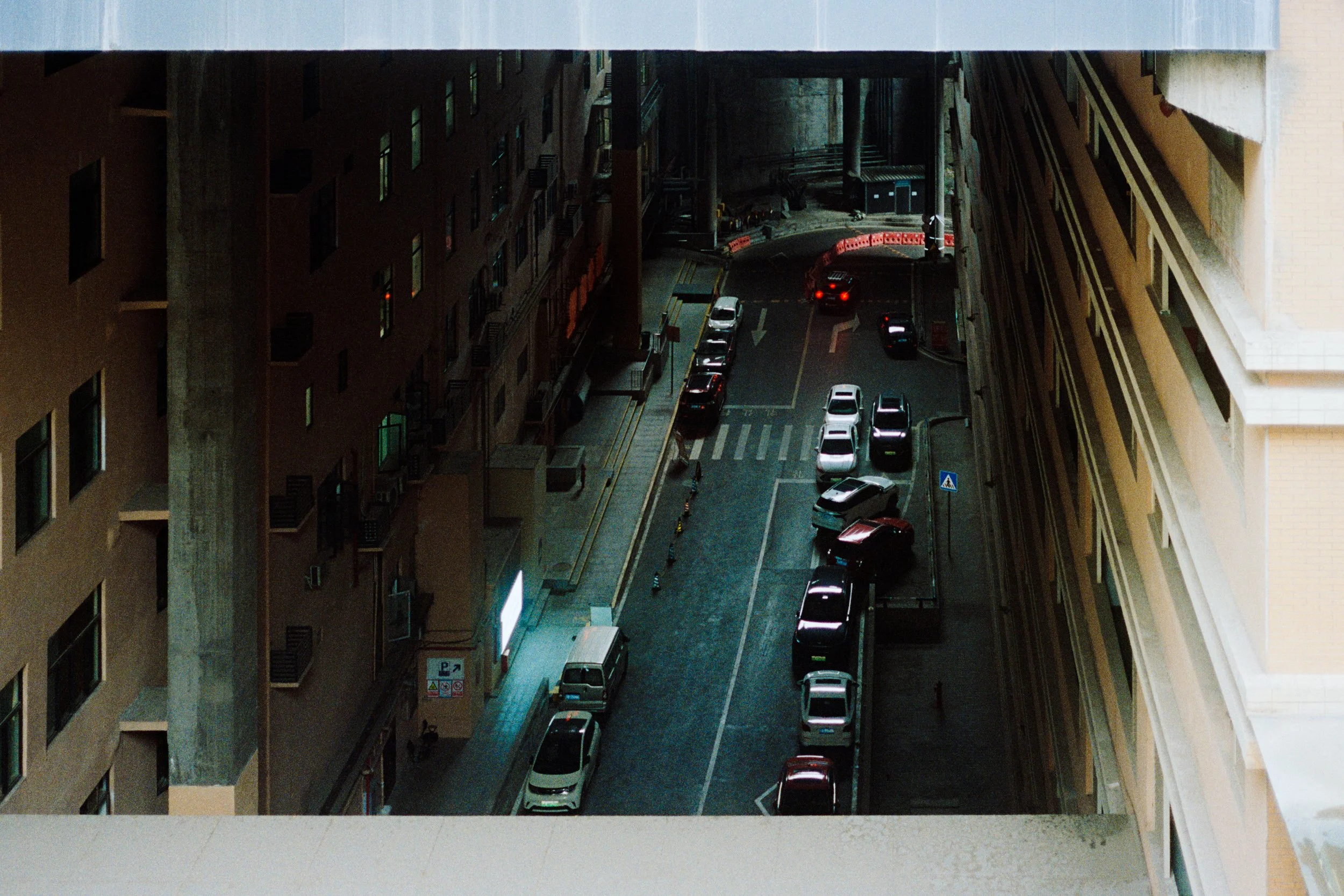
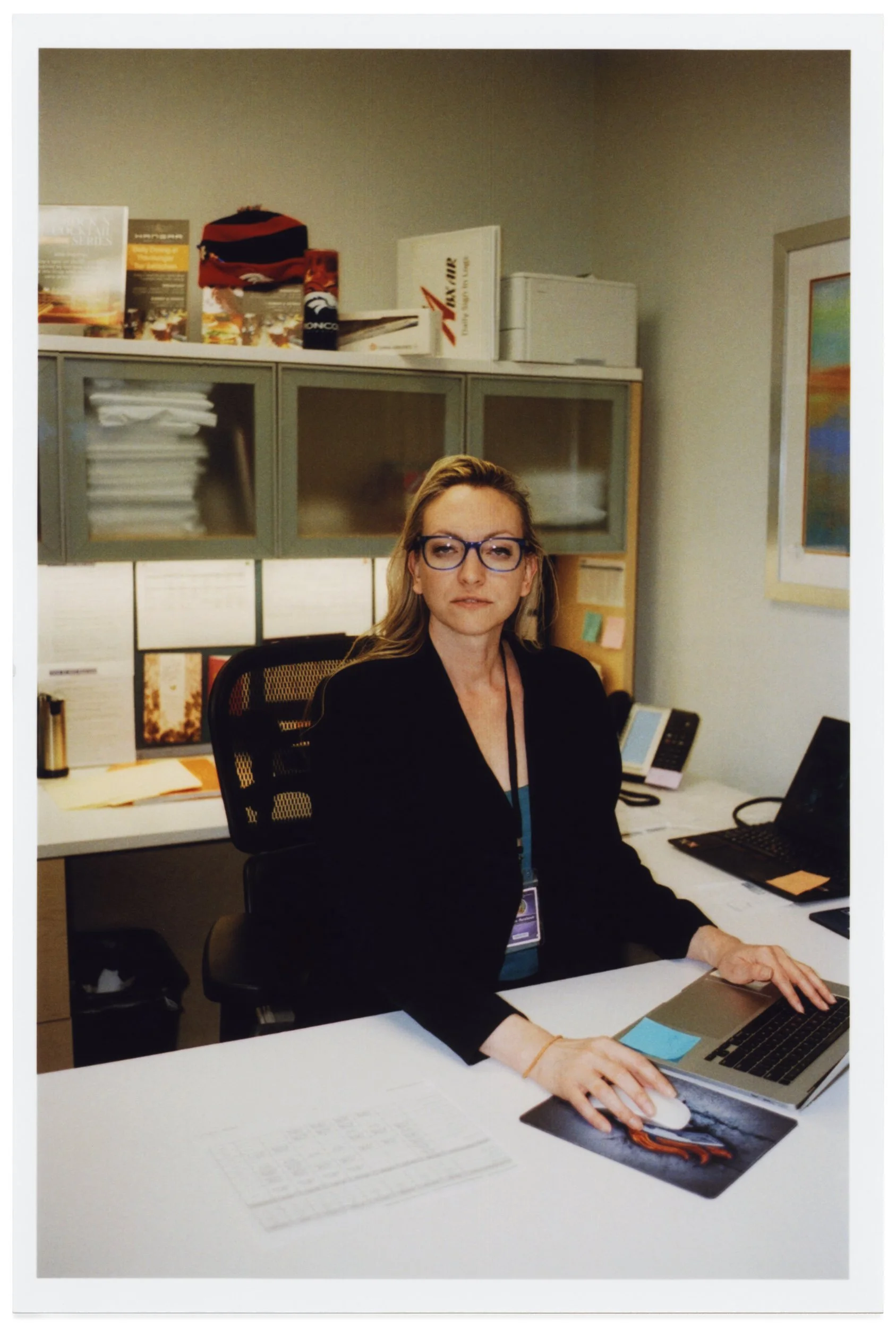
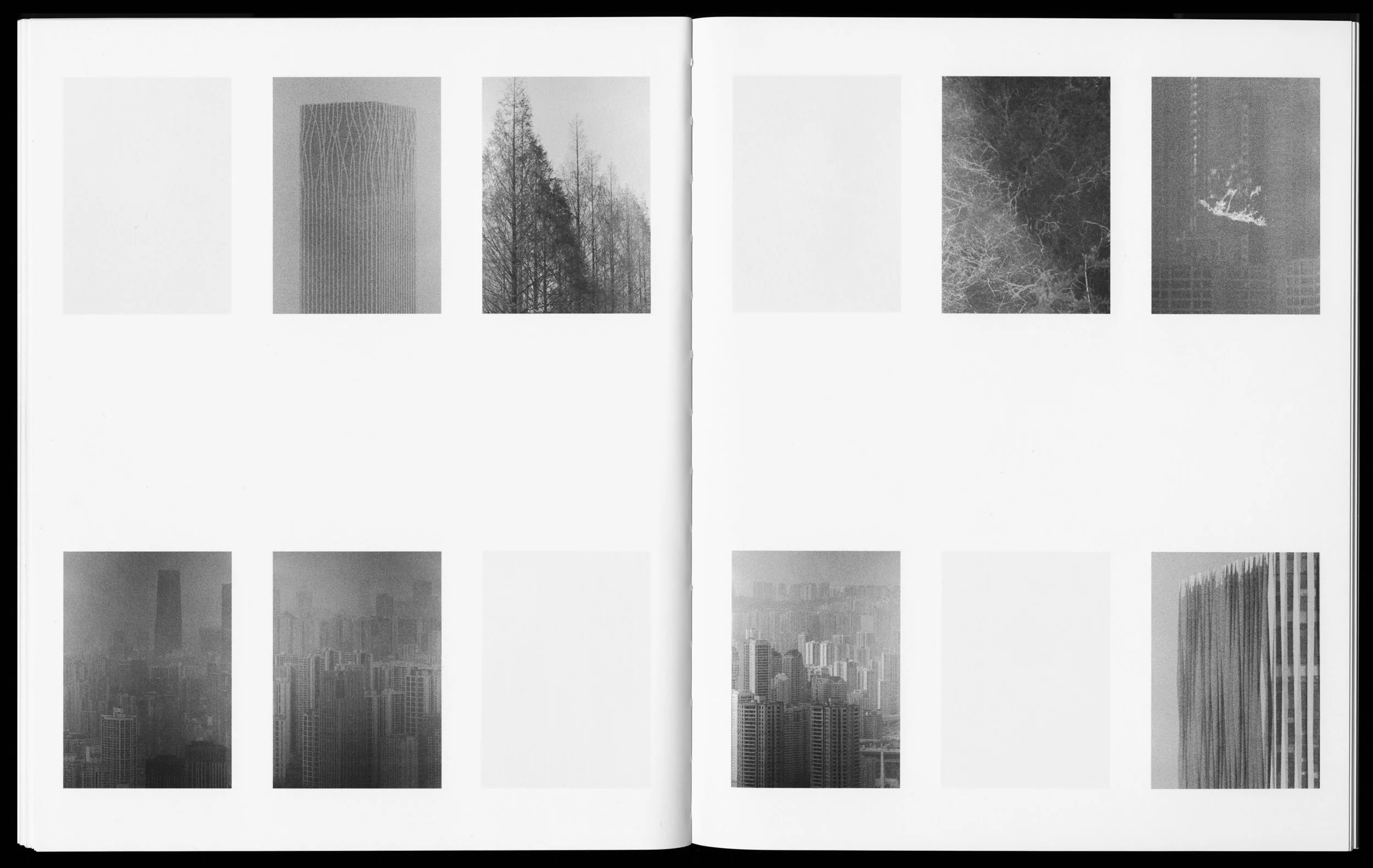
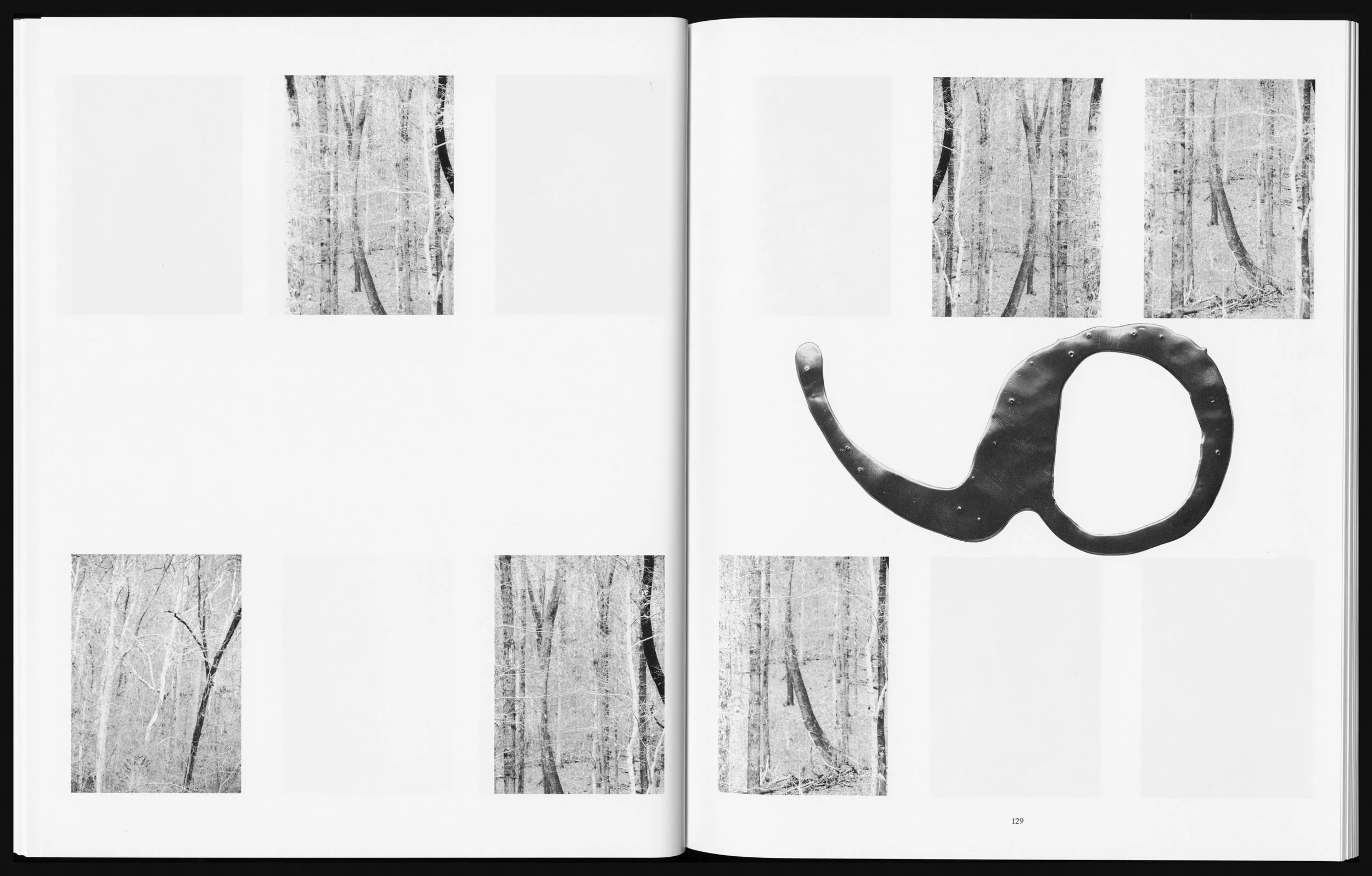
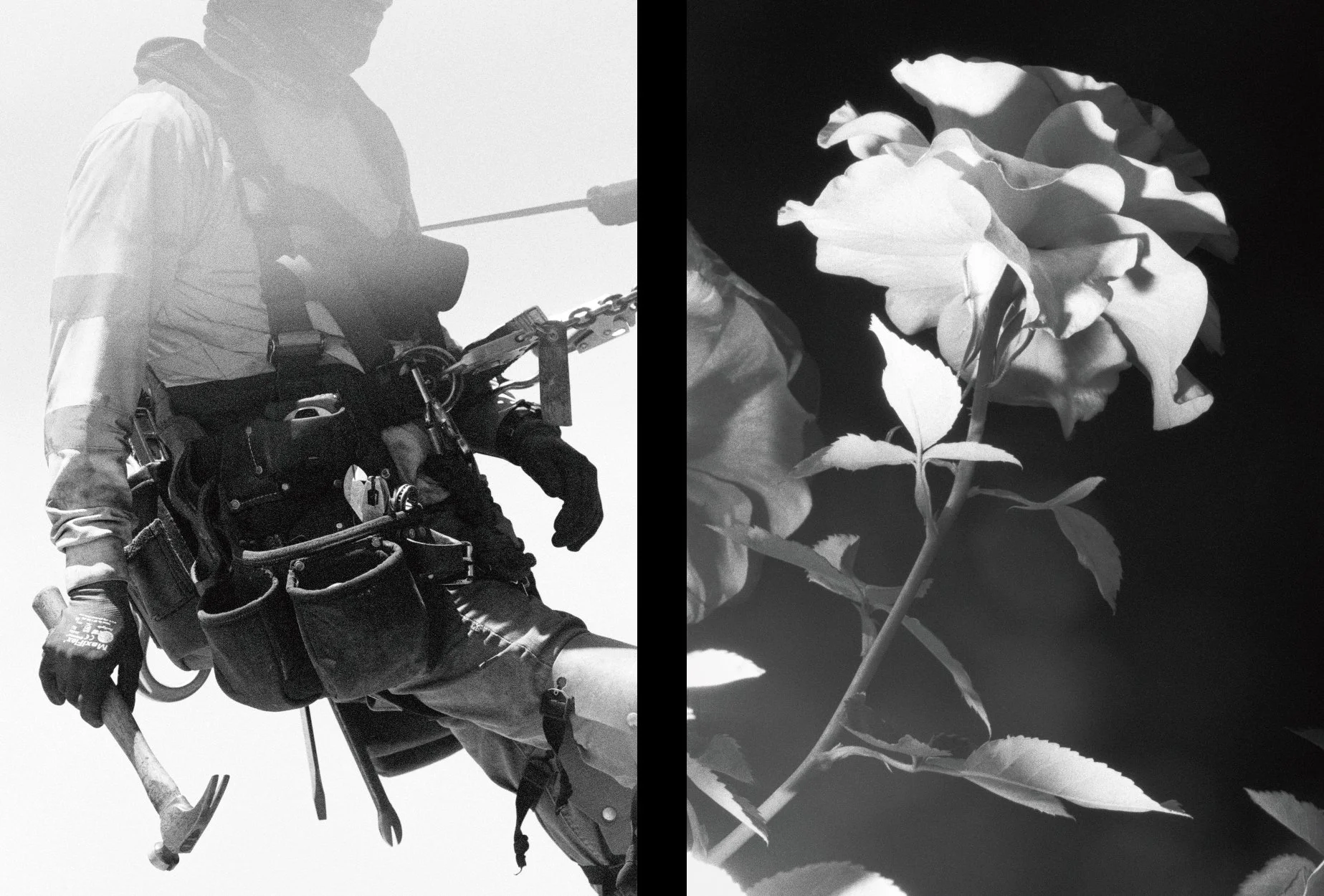
昨年刊行されたDaniel Sheaの写真集『Distribution』。前情報もなく初めて手にしたとき、正直なところ、何を語ろうとしているのかすぐには理解できなかった。冒頭には、何気ない日常を過ごす一人の女性のスナップ写真が並び、彼女が物語の主人公かと思いきや、タイトルコールの直後には怪しげな森の入り口の写真が現れる。その後も、木のテクスチャーや森のようにそびえ立つビル群、建設現場の労働者、都市の道路など、タイトルの名の通り、さまざまな写真が散らばるように次々と登場する。
出版社のキャプションによれば、本作は「森をどう撮るか」という問いから始まり、「木を見て森を見ず」という諺を逆手に取るかのようなアプローチで、写真を通じて全体性を捉える試みがなされているという。何度か眺めるうちに、その意図はなんとなく伝わってくるものの、全貌をはっきりと掴むことは難しかった。同時に、理解しきれない奥行きの深さや複雑さに、ますます惹かれていったことも確かだった。
そこで今回は、Daniel本人に取材を行い、『Distribution』の制作背景やプロセスについて話を聞くことにした。作品集の制作実践を軸に、Danielにとって「写真」とは何か、写真を通してどのように世界を見つめ、思考を巡らせているのか、そんな彼独自の写真論に迫る。
Daniel Shea’s photo book Distribution was published last year. When I first picked it up without any background information, I honestly had trouble understanding what it was about. The book begins with casual snapshots of a woman going about her daily life, making it seem like she might be the main subject. But right after the title, a photo of a mysterious forest entrance appears. Then come images of tree textures, tall buildings that look like forests, construction workers, and city streets appear one after another, scattered throughout the book, just as the title suggests.
According to the publisher, the project started with the question, “How to photograph forests.” It takes an approach that almost reverses the saying “Can’t see the forest for the trees,” trying to capture a sense of wholeness through photography. As I went through the book several times, I could start to feel its intention, but fully understanding it was difficult. At the same time, I was drawn to the depth and complexity that couldn’t be completely grasped.
Because of this, I decided to interview Daniel to learn more about the background and process behind Distribution. The conversation focuses on how he made the book, what “photography” means to him, and how he uses it to observe and think about the world—offering a look into his unique philosophy of photography.
写真における「断片性」
The Fragmentary in Photography
-『Distribution』は「森をどう撮るか」という問いから始まったようですが、本書は断片的なイメージの蓄積を通して、自然、都市、そしてその間にある人間の営みを探求しているようにも感じられました。まずは、今回のプロジェクトを始めるに至った背景についてお話しいただけますか?
- Distribution seems to have begun with the question, “How to photograph forests.” Through its accumulation of fragmentary images, the book feels as though it explores nature, the city, and the human activity that exists between them. To begin, could you speak about the background that led you to start this project?
都市をテーマとした本や展覧会に長年取り組む中で、建築のあり方や様式は、近現代の生活を形作っている社会的、経済的な構造の影響を受けて生まれるものだと考えてきました。今回のプロジェクトでは、その対極にあるように思えた「自然」という環境から始めたいと考えました。自然とは、発展した世界の背後にある物語のように、私たちの想像の中にかすかに存在している、どこか捉えどころのない場所です。特に森は、現実であれ想像であれ、私たちが思い描く象徴的な「自然」のイメージを強く体現する存在でした。森を撮影しはじめてすぐにコロナ禍が来て、その危機的状況や環境問題への関心が高まる中で、このプロジェクトは全く別の次元へと発展していきました。
I had spent years working on books and exhibitions about cities, how architectural decisions and styles were downstream from the structural and socioeconomic conditions that were shaping modern and contemporary life. I wanted to begin this project with what felt like the obvious opposite environment, “nature,” an elusive place that seems to exist in our imagination as a backstory to the developed world. The forest specifically locks in this representation of the natural world that felt most like this symbolic “nature,” real or imagined. Shortly after I started photographing forests, Covid came, and the project took on a whole other dimension against the backdrop of that crisis, and the renewed focus on environmental crises.
- ジェシカという女性のスナップショットから始まり、都市や森の断片を捉えた写真が本編として続き、最後はキャサリン・レイシーによる短編小説で締めくくられるという全体の構成も印象的でした。「森をどう撮るか」という問いから始まったこのプロジェクトは、どのように発展していったのでしょうか?
- The overall structure of Distribution is also striking. It begins with a snapshot of a woman named Jessica, followed by the main body of the book featuring photographs that capture fragments of cities and forests, and concludes with a short story by Catherine Lacey. Starting from your initial question, “How to photograph forests,” how did the project develop as it progressed?
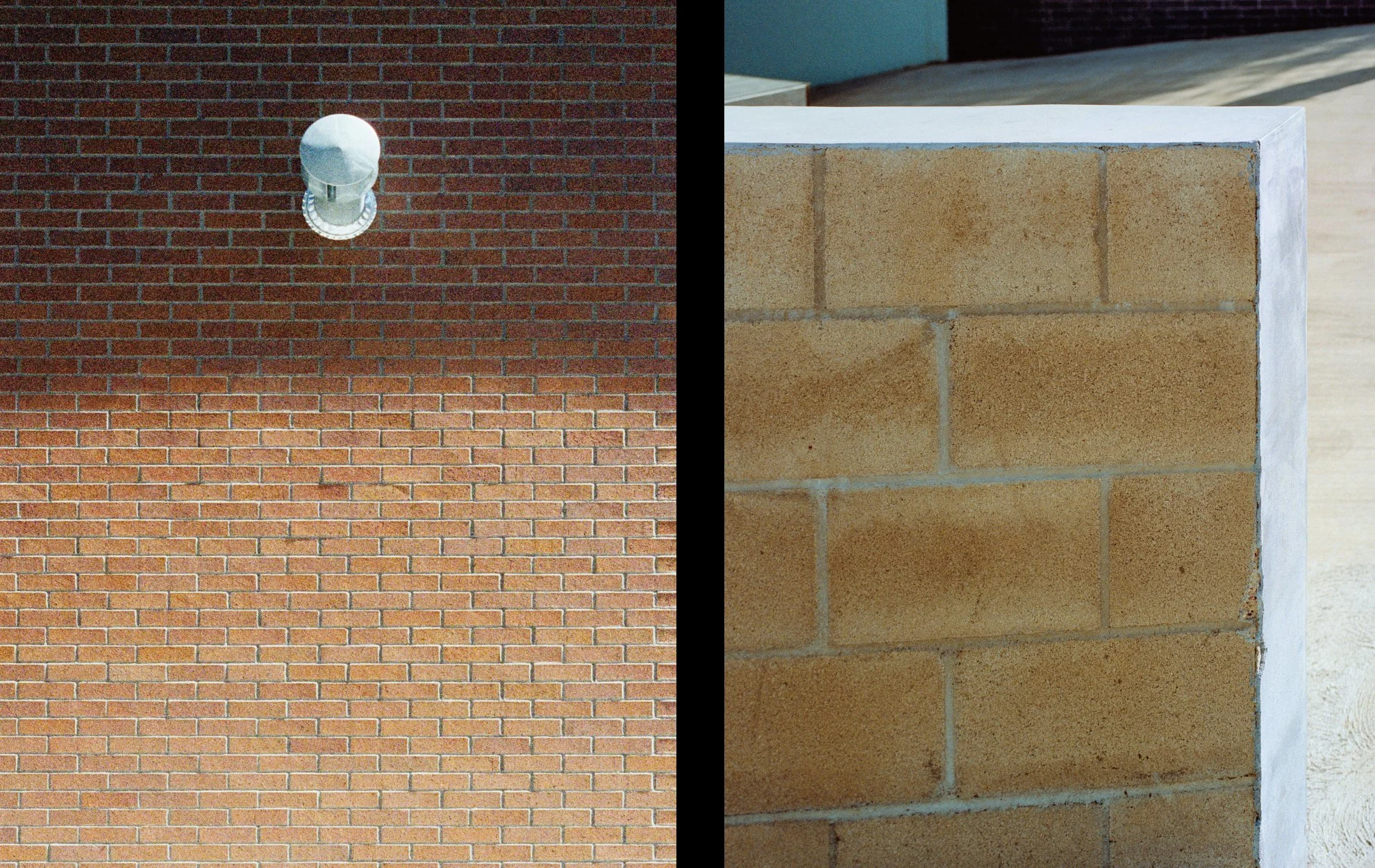
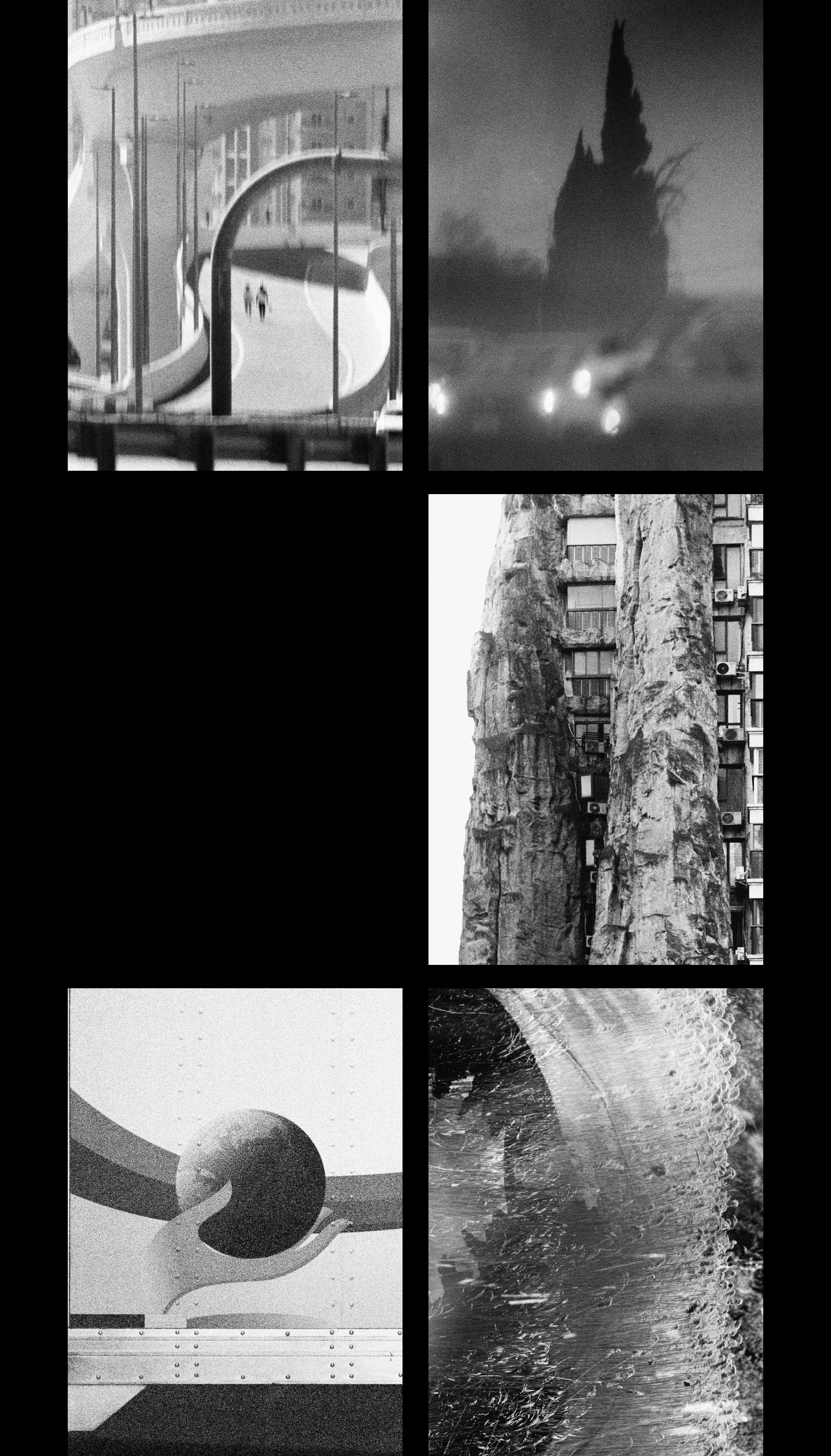
森にはさまざまな要素があり、広がりをもっていますが、写真は基本的にその一部分しか写し出すことができません。この「断片性」が、森だけでなく本書全体を撮る上での前提条件になると考えました。写真がもつ断片的な性質に抵抗したり、それを解決しようとするのではなく、むしろそこに踏み込んでいきたかったんです。全体(多くの「部分」から成り立つもの)を示す方法は他にもあり、例えば1ページや見開きの構成も一つの「全体」ですし、本書全体の構造もまた、一つの全体として機能しています。
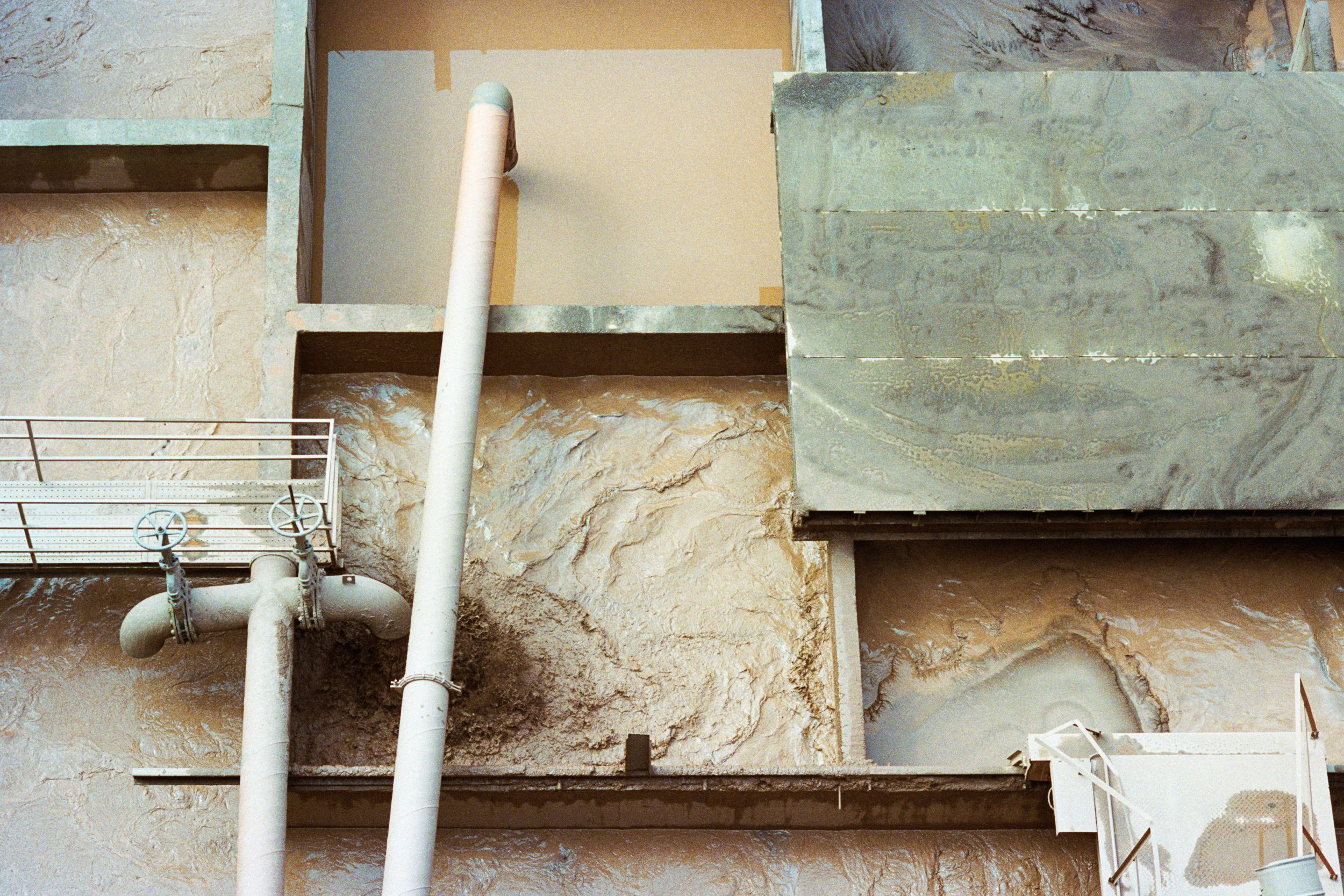
森を撮る方法として、被写体を特定しようとするのではなく、テクスチャーそのものに焦点を当てるというアプローチに行き着いてからは、森の周縁部やその周囲の道路、さらに都市やその間にあるあらゆるものへと対象が広がっていきました。この本をつくる過程が、私の原点でもある都市へと導いていきました。
Forests contain many things and are dispersed, and yet a photograph by default shows just a part. This then had to be a condition that defined my approach not only to photographing forests, but everything else in the book. Instead of resisting or trying to solve the fragmentary pull of photography, I wanted to double down on it. There are other ways to suggest the whole (if the whole is made up of many parts), the page, or a spread of pages is a type of whole, as is the overall structure of the book.
Once I landed on a method of photographing forests, which was about this act of trying to locate the subject and focus instead on texture as a subject matter, I photographed the margins of forests, the roads around them, and eventually cities, and everything in between. The process of making this book led me back to where I started, cities.
- 冒頭のジェシカの写真にはどのような意図があるのでしょうか?
- What is the intention behind the photographs of Jessica at the beginning?
ジェシカは「具体的でありながら抽象的」な存在です。彼女は統計的に導き出された「平均的なアメリカ人」を体現していますが、俳優によって演じられた架空の人物でもあります。この「具体と抽象」が同時に成り立つシンプルな緊張関係に強く惹かれましたし、それは写真というメディアそのものがもつ「具体的な抽象性」を的確に示すメタファーでもあると感じました。ジェシカの写真が「あるタイプの人物」を示すためのものだとすれば、その後に続く写真はその「特定の個人」を捉えたポートレートとして提示されることになります。私は以前から、人の写真(建物や木と同じように被写体として人を写したもの)と、ポートレート(写された個人の内面や個性を表現しようとする写真)との違いに関心をもってきたのです。
Jessica is a tangible abstraction, she represents something that is statistically proven (who is the median American person?) but is still a stand-in, a fictitious person played by an actor. This simple tension of concrete abstraction felt very compelling to me and felt like a precise metaphor for the type of concrete abstraction photography encapsulates. If the series of pictures of Jessica are serialized to represent a type of person, the photographs that come later show portraits of a specific person. I’ve long been interested in this difference between a photograph of a person (a person, like any other “thing” that can be photographed, a building or a tree) and a portrait (a photograph that attempts to express something about the individual pictured).
-『Distribution』では、偶然性や寄り道の余地を残したかったとおっしゃっていましたが、膨大なアーカイブを前にして、どのようなアプローチで編集のプロセスを進められましたか?
- You mentioned that you wanted to leave room for randomness and detours in Distribution. When faced with such a large archive, how did you approach the editing process?
タイトルがまだ決まる前には、完全にランダムに構成したバージョンもありました。写真を制作するプロセスそのものに内在するロジックが、たとえランダムに選ばれた場合でも自然と立ち上がってくるのではないかと考えたからです。最終的には慎重にシークエンスを組んだ構成にしましたが、それでも偶然性や可能性の余地が感じられるようにしたいとは思っていました。ただそれは、あくまで意図的に設計されたものです。ここにもまた別の緊張関係があります。どのイメージの配置も本来はランダムになり得る可能性をもちながら、実際には自分自身の視点によって選ばれているという関係です。私はこの本を通して、広大で、多様で、全体を一度に把握することができないような世界や環境の中で、自分の視点を確立するという試みそのものを描きたかったのです。少し回りくどいですが、根本的には非常にシンプルです。
There was a version of the book that was totally randomized, before I had a working title for the book. The thought being that the process of making the pictures would inherently express a logic that would come through even with a random selection. In the end, I went with an edit that was carefully sequenced, but still communicated (hopefully) the possibility of randomness or potential, but was engineered to produce the effect. There again was a different type of tension - between the suggestion that every container for an image had the potential to depict randomness, but was selected based on a point of view - my own. I wanted the book to be about this idea of establishing a point of view in a world or an environment that was dispersed, varied, too big to see, as told through someone’s attempt (my attempt) at establishing a point of view. It’s a loopy but a very simple ambition at its core.
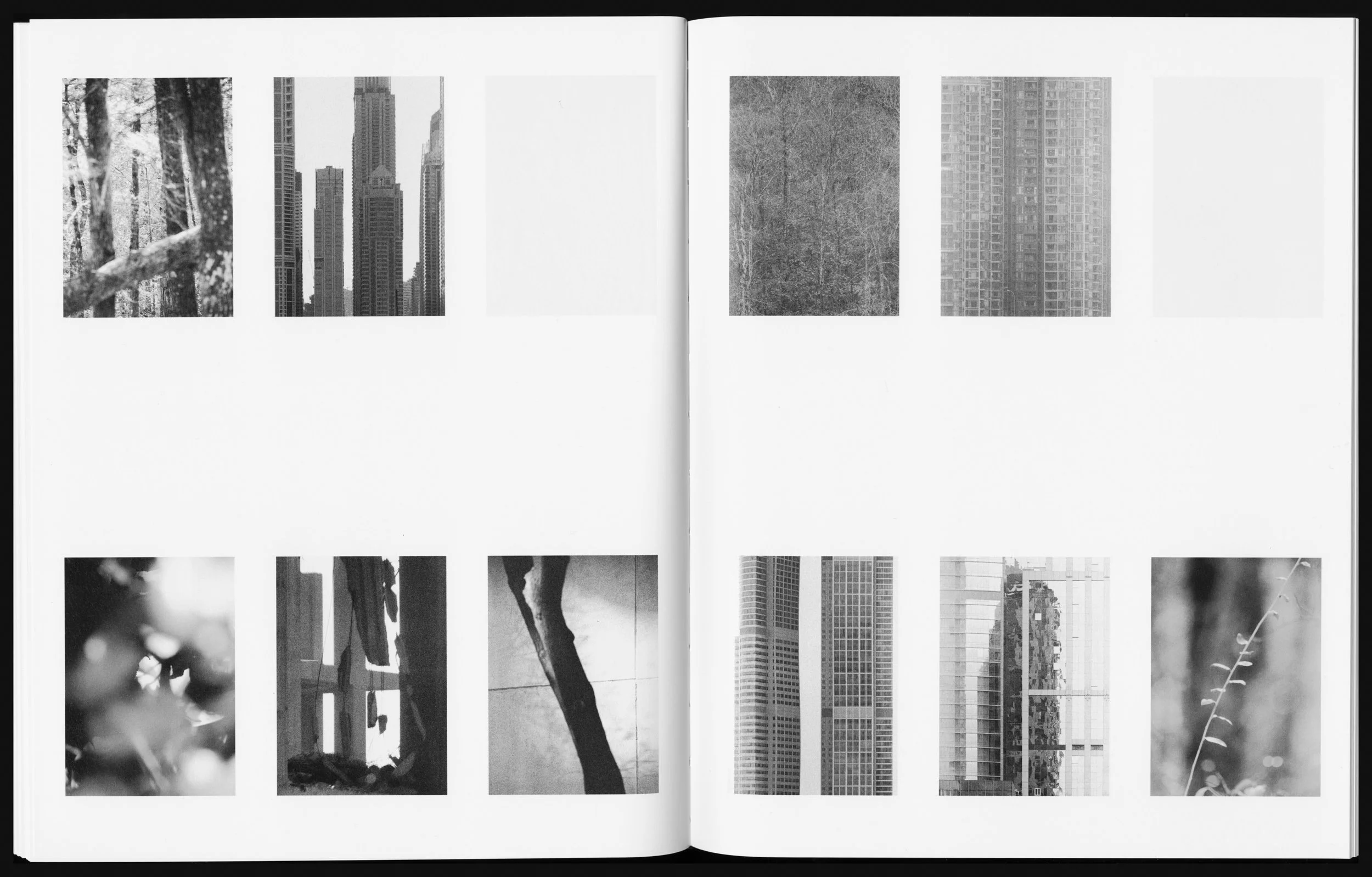
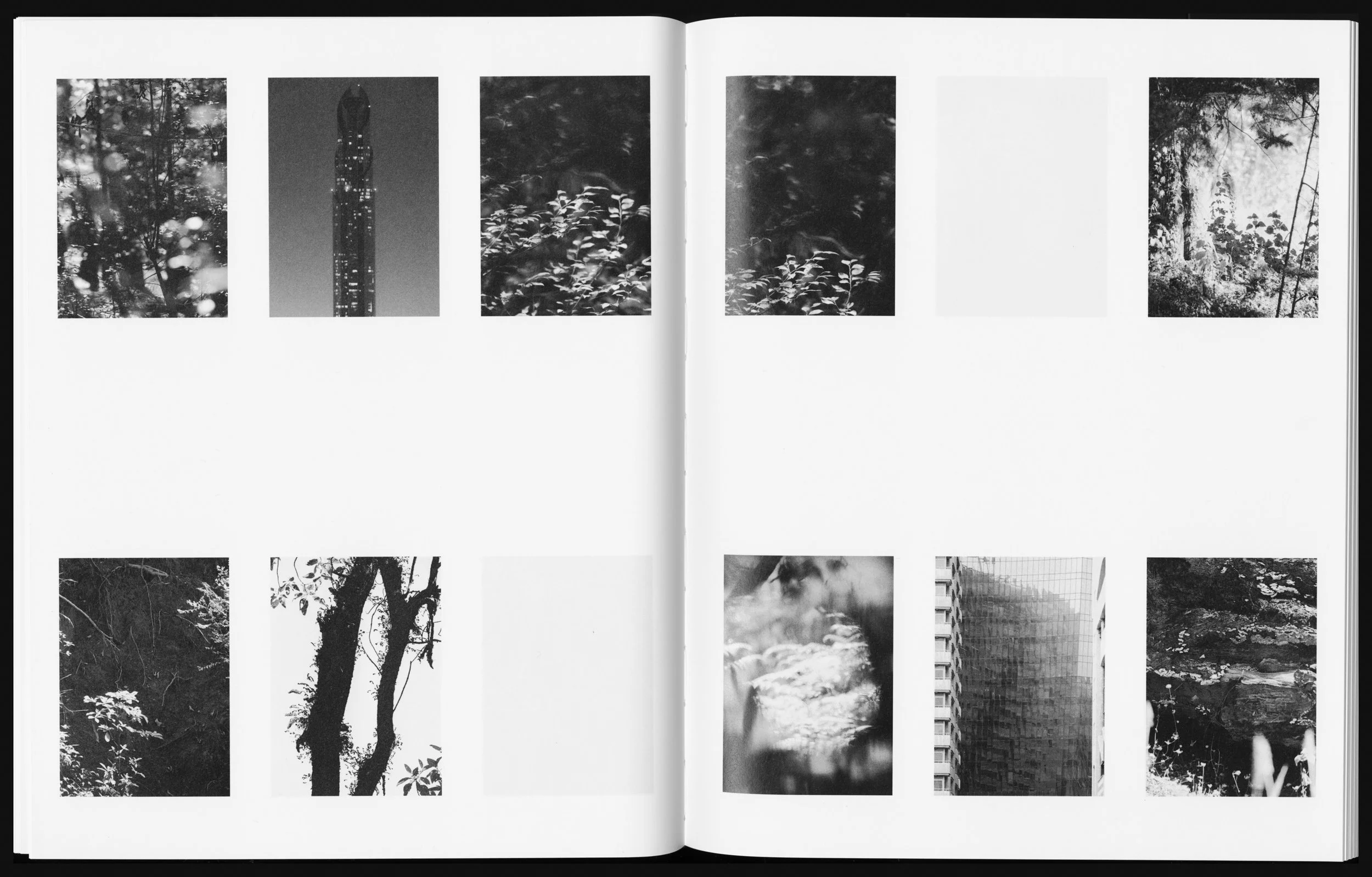
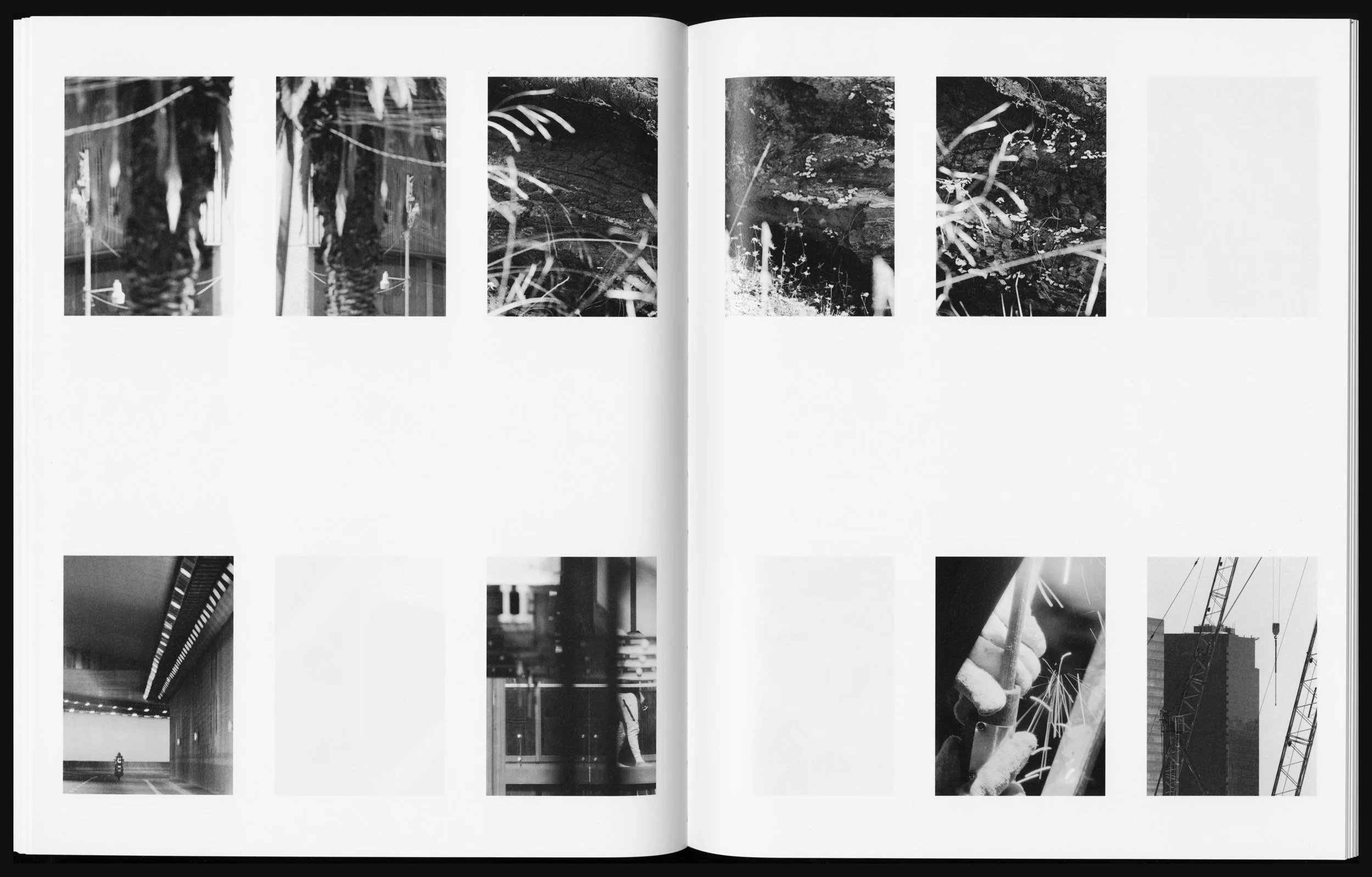
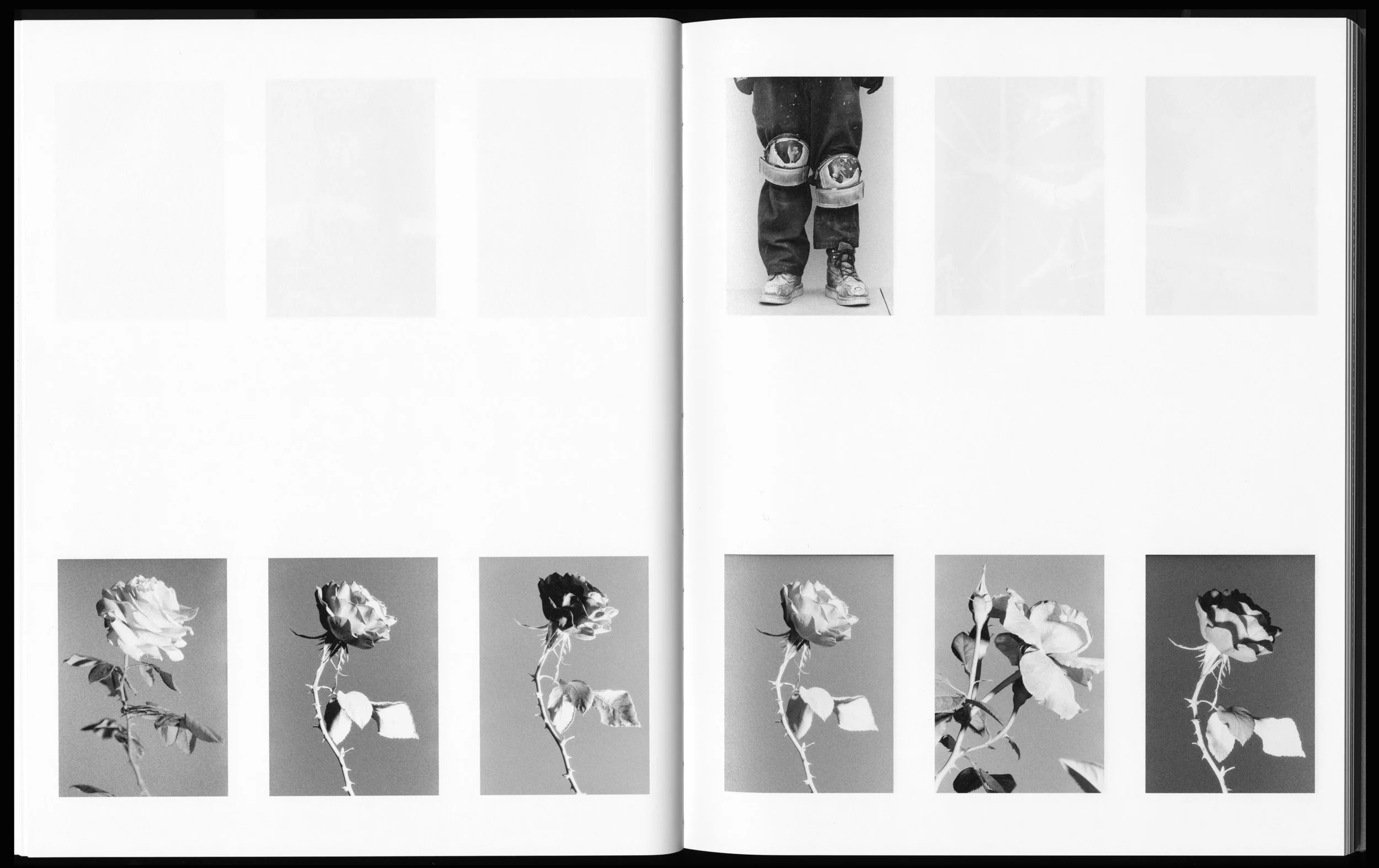
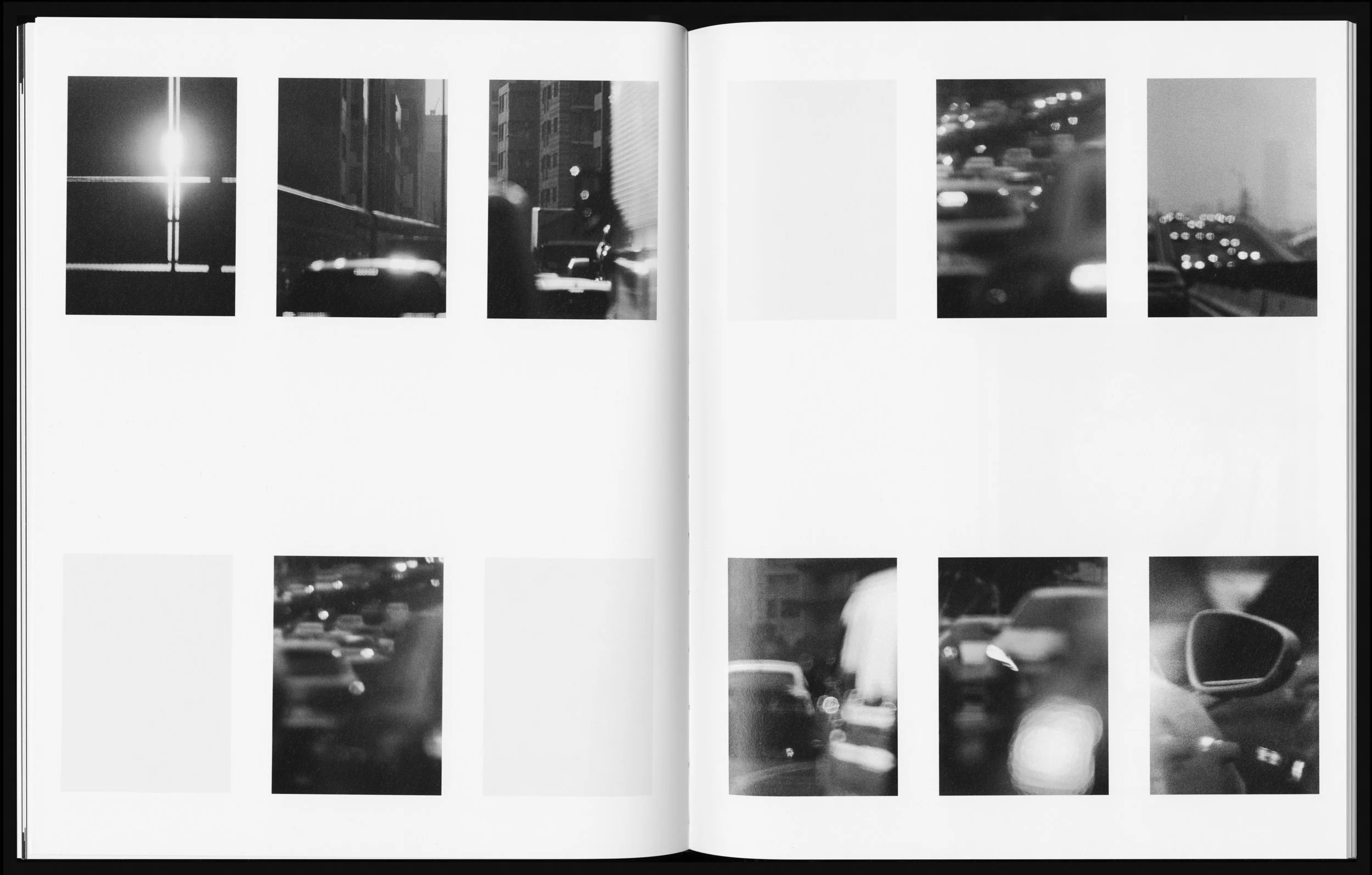
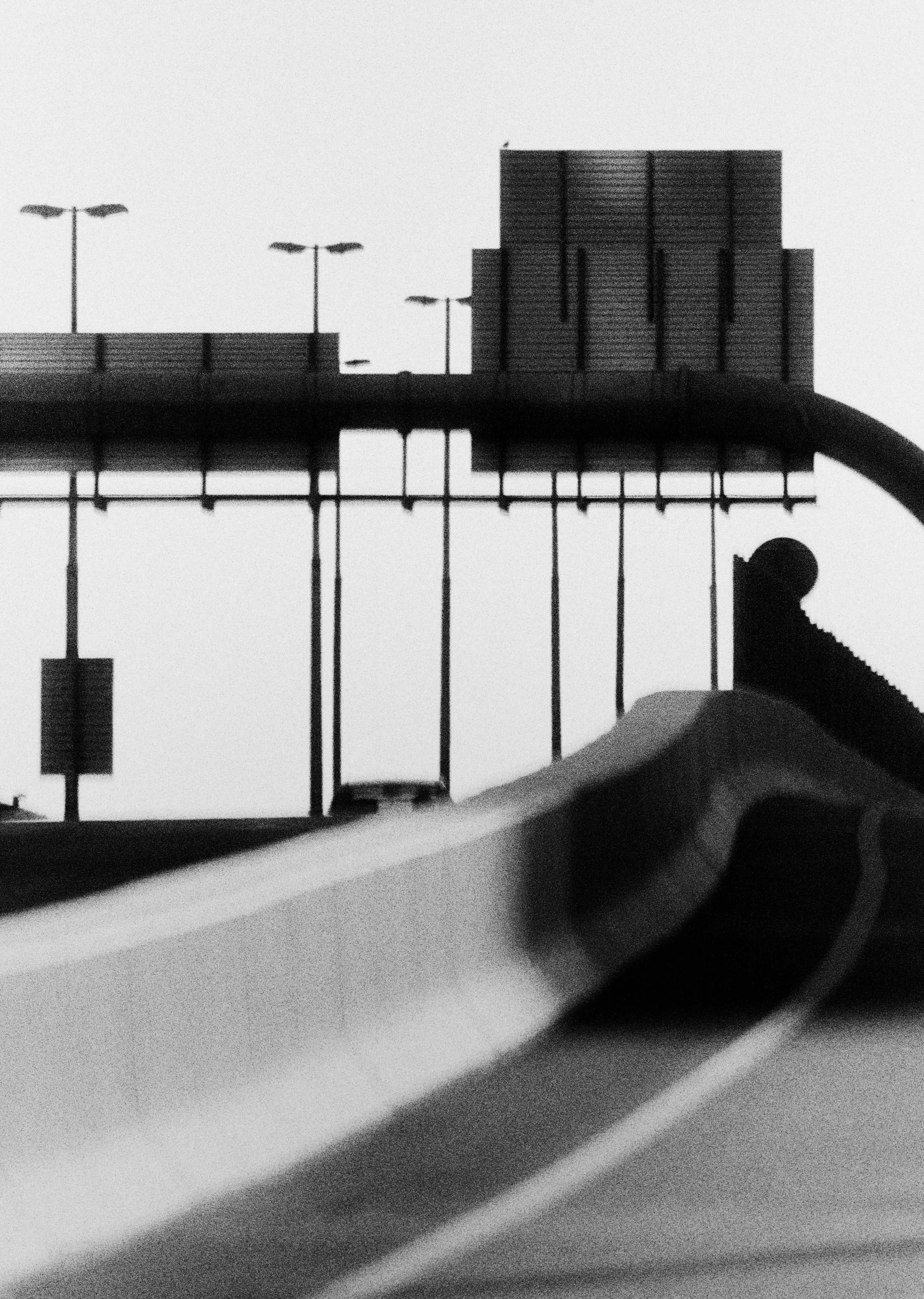
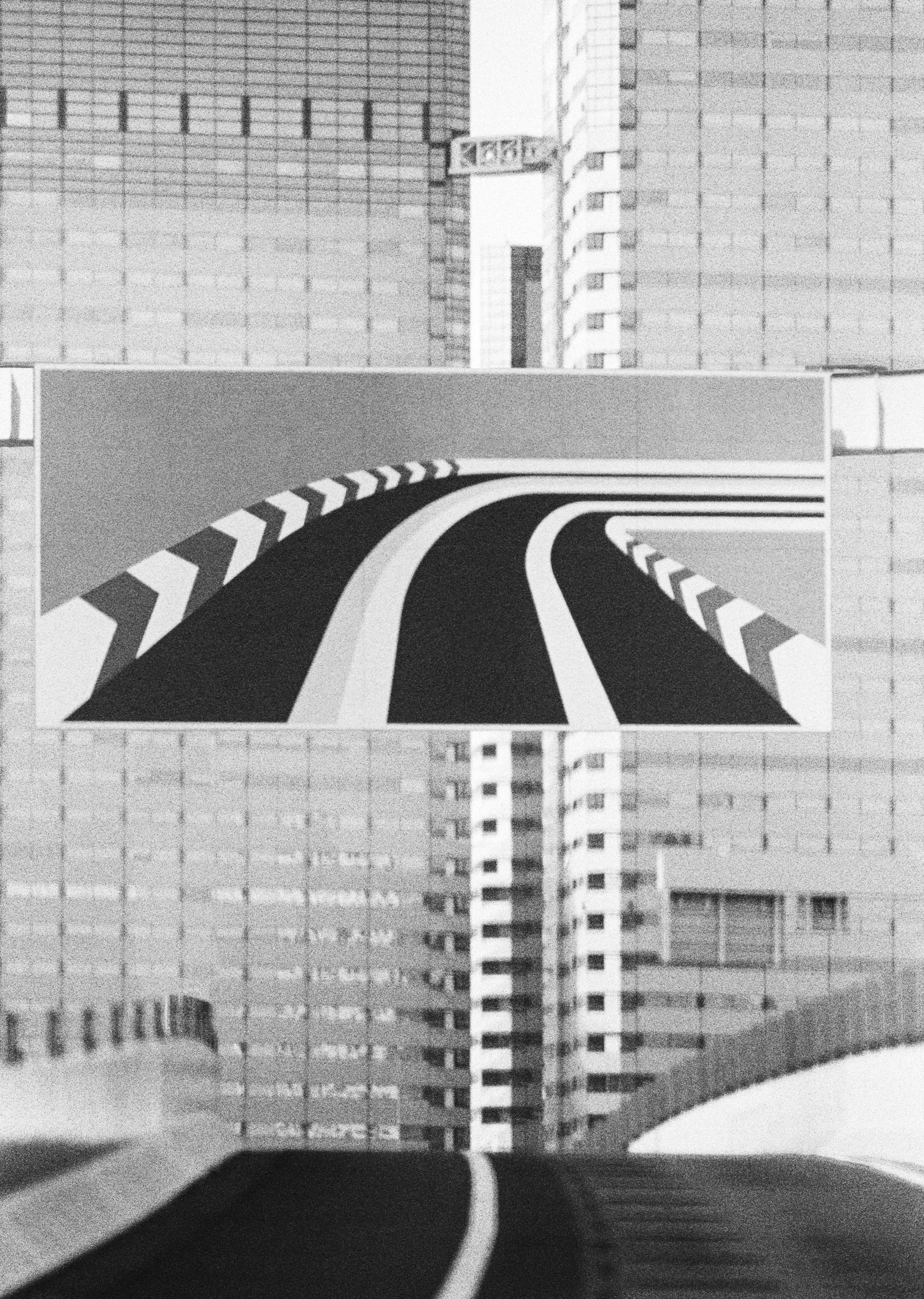
- 森で撮影する際には望遠レンズを使用し、ドバイでは車の窓越しにのみ撮影するなど、意図的に制約を設けていたようですが、あなたにとって制約とは、自由を制限するものですか?それとも、別の形の自由へと辿り着くための手段だと捉えていますか?
- You seemed to have imposed certain constraints on yourself, such as using a telephoto lens in the forest and photographing Dubai only through a car window. For you, do constraints limit freedom, or do you see them as a means of arriving at a different kind of freedom?
人生においてですか?それともアートにおいて?(笑)人生においては、 本当に大切なところで自由を発揮するために、ある程度の制約があった方が自分には合っていると思っています。そうした考え方を強く信じていますし、それが自分を支えているとも感じています。写真を制作する上でも、この原則が当てはまる気がします。はっきりとは分かりませんが。
創作における制約は、私にとっては有効な緊張関係を生み出すものでなければ意味がありません。たしかに制約は、何をすべきかと延々と迷いつづける代わりに、とにかく手を動かすための枠組みとして機能することもあります。でも最終的には、その制約が緊張やロジックを生み出す結果に繋がらなければなりません。
本を手に取った人がその制約を明確に言語化できるかどうかは、私にとってそれほど重要ではありません。何が起きているのかを正確に言い表せなくても、確立された視点があることの方が重要だと思ってます。また、制約はあくまで緩やかな指針にすぎません。本の中には、これらのルールに従っていない写真も多く含まれています。単に歩き回りながら撮った写真もたくさんあり、それらは編集の段階で組み込まれていきました。
In life or in art, haha? In life, I’m a person who is well served by constraints in service of expressing freedom where it really counts. I swear by it and it keeps me alive. I think this principle is useful in making pictures, too, I’m not sure.
Constraints in the creative process have to produce a useful tension to be successful for me. It’s true that they can also just establish a program for working that gets me doing something, rather than endlessly questioning what I should do. But in the end, the constraint has to produce results that establish a tension or logic that works.
It doesn’t matter to me so much that the constraint can be named by the person looking at the book, it's more important that there’s a point of view being established, even if it’s hard to name exactly what’s happening. But the constraints are really only loose guides; there are many pictures made in the book that don’t follow these rules. Lots of pictures that came from just walking around, and then sequenced back in the edit.
- 『Distribution』は、独立した一つの作品として捉えていますか?それとも、大きなプロジェクトの一部ですか?
- Do you consider Distribution to be a self-contained work, or part of a larger, ongoing project?
制作している最中は、これまでのプロジェクトとは異なる意図をもって取り組んでいたこともあり、一つで完結した作品として捉えていました。この本はある意味で「全てについての本」とも言えます。例えば都市を撮影している時、私は階級、歴史、文化など、都市がどのように構成されているのかについてさまざまな枠組みを通して考えます。社会がなぜそのように成り立っているのか、どのように機能しているのか、私なりの考えや仮説をもって取り組んでいきます。ただ、この本で目指したのは、「世界をどう捉え、どう理解しようとするのか」という行為そのものと向き合うことでした。社会の構造についての理論を語るのではなく、「考えること、見ること、知覚すること」の構造を観察するような試みです。
完成してみると、やはりこれまでのプロジェクトの延長線上にあるものだと強く感じました。ある種の衝動や選択を避けようとしても、結局はまたそこに引き戻されてしまう。このプロセスは、自分を少し狂わせるようでもあり、どこか安心感も伴っています。少し陳腐な言い方かもしれませんが、正直に言うと、この本を書き終えた今では、『Blisner, IL』から『43-35 10th Street』、そして『Distribution』へと続く3部作になっていると感じています。
While working on it, I thought of it as self-contained, since I had different ambitions with this project than previous projects. It’s a book about everything, even though for me specifically, while photographing cities for example, I’m thinking about the organization of cities through various frameworks - class, history, culture, etc. I hold my own ideas and working theories about the why’s and how’s of societies, but my ambition with this book was to have it be about the idea of doing exactly that - taking it all in or formulating ideas about the structure of it all. Instead of expressing a theory about the structure, it’s an observation about the structure of thinking, seeing, perceiving.
When it was done, of course I saw it clearly as a continuation of other projects. For me, resisting certain impulses or choices inevitably leads me back to them. This part of the creative process makes me feel crazy and is comforting at the same time. It’s a bit corny to me to say this, but honestly now that I’ve finished the book, it feels like a trilogy, beginning with Blisner, IL, then 43-35 10th Street and now Distribution.
考える手段としての写真
Photography as a Method of Thinking
- そもそも、どういった経緯で写真を使って作品を制作するようになったのでしょうか?
- What led you to begin working with photography in the first place?
高校時代に少しだけ写真をやっていましたが、美術大学では絵画を専攻していました。そこでRegina DeLuiseやLynn Silvermanの授業を履修したことがきっかけで、最終的に専攻を写真へと変えました。在学中は1960〜70年代のコンセプチュアル・アートや、そこから派生した「記録としての写真」に強く関心をもっていました。その後、短期間ですがウェストバージニアに住み、2007年に石炭産業をテーマにしたドキュメンタリープロジェクトを始めたことで、本格的に写真にのめり込むようになりました。Walker Evans、Roni Horn、Gerhard Richterからは大きな影響を受けていて、彼らは今でも私にとって重要な存在です。
I did a little bit of photography in high school but went to art school for painting. I took electives in the photography department with Regina DeLuise and Lynn Silverman that really had an impact on me and I switched majors. In school I was mostly interested in Conceptual Art from the 60s and 70s and the photography as documentation that emerged from that. I lived briefly in West Virginia and started a documentary project about the coal industry in 2007 and that’s when I really became invested in photography. Walker Evans, Ronnie Horn and Gerhard Richter were my big influences and still are to this day.
- 写真家として活動を始めて以来、作品を制作する上での主題や関心はどのように変化してきましたか?
- Since you began working as a photographer, how have your subjects and interests evolved in your practice?
もともとは風景に関心をもっていて、絵画における風景の歴史にも興味がありました。今振り返ると、それがぐるりと一周して戻ってきているように感じています。地方での石炭産業の撮影を長く続ける中で、アメリカにおける産業の歴史へと関心が広がり、そこから産業による都市化、そして都市や建築へと関心が移っていきました。とはいえ、これはあくまで主題の変遷の話にすぎません。私が長らく関心を持っているのは、ストレートフォトやジャンルの中で、新しい形式を見つけるということです。基本的にはストレートフォトの文脈で制作していますが、その内側や周縁から別の可能性を探りつづけたいと思っています。それは今でも刺激的に感じられますし、まだまだ掘り下げる余地があると思っています。
I started with an interest in landscape, and its history within painting, and I’m just realizing now how that’s come full circle. I spent a long time photographing the coal industry in rural settings, which led me to industrial histories in the United States, which led me to the urbanization of America through industry, and then cities and architecture. That’s all a description of subject matter though. I think my long term interest is really finding new forms within straight and genre photography. I work within this register of straight photography but always want to find ways in and around it. That still feels exciting to me today, I think there’s still a lot left to uncover.
-『Distribution』で「森をどう撮るか」というテーマを探求したように、あなたにとって写真とは、特定の問いやテーマを探究するための方法なのでしょうか?
- As you explored the theme of “How to photograph forests” in Distribution, do you consider photography to be a method for exploring specific questions or themes?
これまで私が写真家でありつづけている一番の理由は、単純に「世界について考えながら何かをしていられること」にあります。機械的な道具を手に持つことで、あそこへ行こう、ここへ行こうという理由ができて、物事の意味について考えるきっかけにもなるんです。散歩をしているときが一番心地良くて、頭の中から少し離れたい時には歩きに出かけています。足を動かし、周囲を見渡すことで、不安に思っていることが和らいでいくんです。写真もそれに似ていると思います。写真にも不安は伴いますが、手と目を使って体を動かしている瞬間においては、思考がクリアになったり、あるいは全く考えなくなることもあります。気を逸らすことで、かえって今この瞬間に意識が向くという、古くからの皮肉のようなものですね。
私はよく、「何か考えるきっかけを探す」という前提以外、何ももたずに制作を始めることがあります。ただそこにあるだけの作品、余計なことを語らない作品もとても好きですが、私の場合はいつもアイディアに夢中になり、それに集中的に取り組むようになってしまいます。その後の段階ではスタジオに入り、作品を整理し、考えをより明確に定義してから、また外に出て改めて観察していきます。こうした往復が、作品が完成するまでフィードバックループのように続いていくんです。
So far, the primary driver of me being a photographer is simply having something to do while thinking about the world. I like having this mechanical tool in my hands, giving me a reason to go here or there and think about what it all means. I’m most content while on a walk, that’s what I do when I need to get out of my own head. Moving my feet and looking around at stuff helps with many of the things I might feel anxious about. It’s similar to photography. There’s plenty of anxiety involved, but often in the moment, as long as I’m moving and doing something with my hands and eyes, I find a headspace that allows for more clarity in thinking. Or sometimes not thinking at all. It’s the old irony of being distracted into a state of presence.
I often begin with nothing other than the premise of searching for something to think about. I really like a lot of work that just exists there without anything else. For me though, I always end up getting attached to ideas and moving on to a period where I focus on them. Later stages involve the studio, making sense of it, defining ideas more clearly, and then going back out to look again more specifically. It becomes a feedback loop until it’s finished.
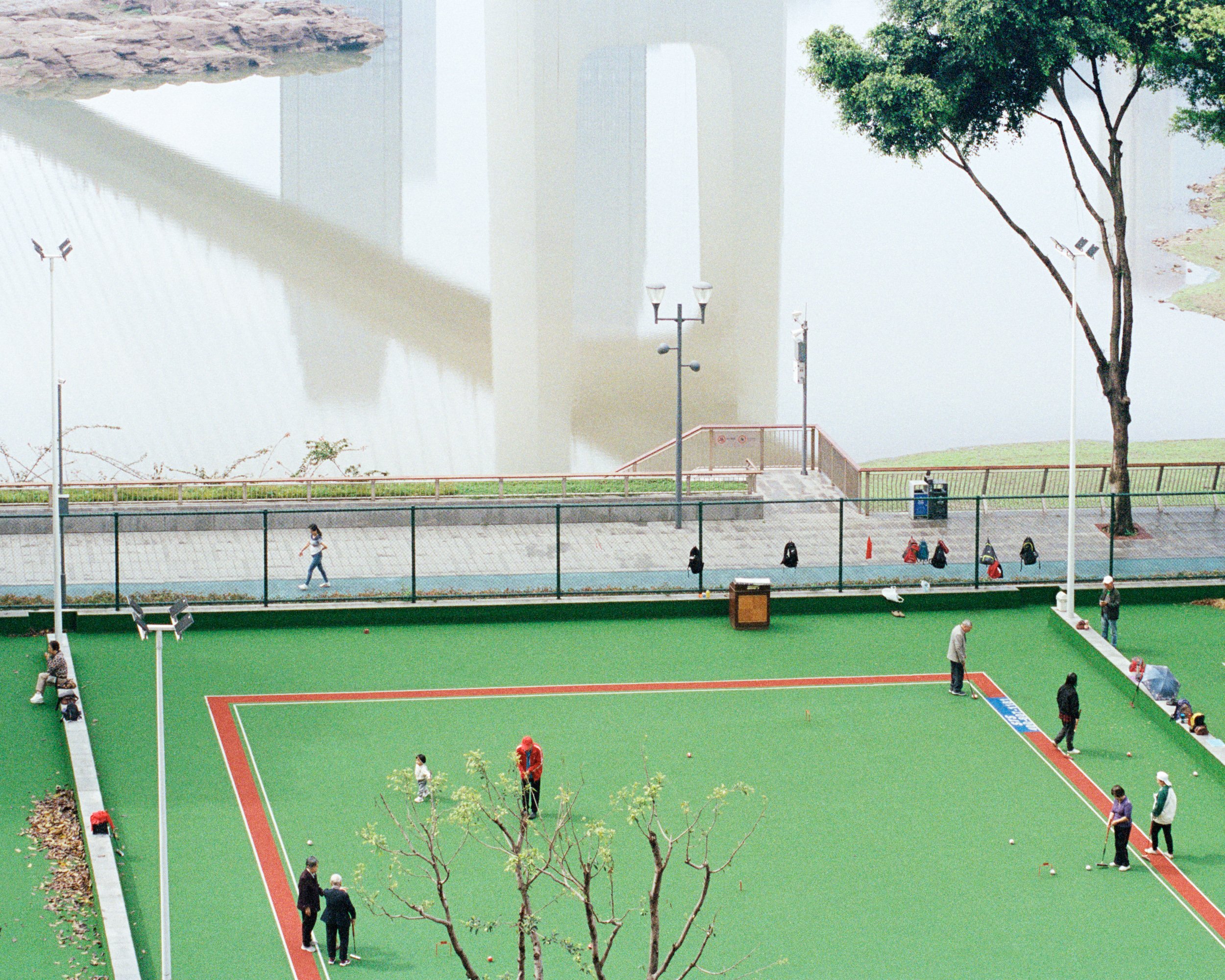
- ご自身の作品を制作する時と比べて、コミッションワークに取り組む際のアプローチにはどんな違いがありますか?
- How does your approach differ when working on commissioned assignments compared to when you are creating your own work?
多くの違いもあれば共通点もあります。あるいは、より面白い見方をすれば、有用な出発点がいくつもあるとも言えます。コミッションワークは多くの場合実利的です。明確な目的があり、それを達成するために他者と協働します。私はその点が好きで、自分が直接的に役に立っていると感じられます。その日に何をすべきかが分かっていて、それを成し遂げる役割が自分にあるという感覚が好きなんです。
ゆっくりと熟考しながら進める自分の作品制作と、素早く力強く進めるような依頼された仕事。その両方を経験すればするほど、写真は意図や主題よりも文脈によって形作られるものだという考えを受け入れるようになっていきます。写真は世界を流動的に移動していくもので、どの文脈で見ても多くを学ぶことができます。見た目はふざけているように見える優れたファッション写真が非常に厳密に作られていることもありますし、洗練されたアート写真がとてもシンプルな前提から生まれていることもあります。その逆もまた然りです。
There are many differences and similarities, or maybe a more interesting way to think about it, there’s many useful departures. Working on commission is often utilitarian - there’s a defined objective and you’re collaborating with others to get there. I like this part of it, it makes me feel directly useful. I really like going to work and knowing what I need to do that day and that I have a role in getting it done.
The more I do both, work on my practice, which tends to be slow and considered, and work as a photographer for hire, which tends to be quick and muscular, the more I ease into accepting that contexts define images more so than intention or subject matter. Images move fluidly in the world, and there’s much to be learned about them in either context. A great fashion picture that looks silly can be extremely rigorous, and a great art picture can be sophisticated but be made with an extremely simple premise. And vice versa.
––––––––––
Profile
1985年、ワシントンD.C.生まれ。ニューヨークを拠点に活動する写真家。都市や建築、社会構造などを主題に作品を制作しており、主な写真集に『Blisner, IL』(2014年)、『43-35 10th Street』(2018年)などがある。最新作『Distribution』は2025年にロンドンのMACKより刊行された。これまでに、ヴェネチア・ビエンナーレ建築展のアメリカ館やシカゴ現代写真美術館など、国際的な展覧会に参加し、2018年にはFoam Paul Huf Awardを受賞している。
Daniel Shea (b. 1985, Washington, D.C.) is a photographer based in New York. His work focuses on cities, architecture, and social structures. His major publications include Blisner, IL (2014) and 43-35 10th Street (2018). His latest book, Distribution, was published in 2025 by MACK in London. He has exhibited internationally, including at the U.S. Pavilion at the Venice Architecture Biennale and the Museum of Contemporary Photography, Chicago, and received the Foam Paul Huf Award in 2018.
danielpshea.com
IG: @danielpshea––––––––––
Edit & Text: Yuki Akiyama
