
Arran Gregory / Distance from Nature 005
自然を通じて浮かび上がる自己
The Self Revealed Through Nature
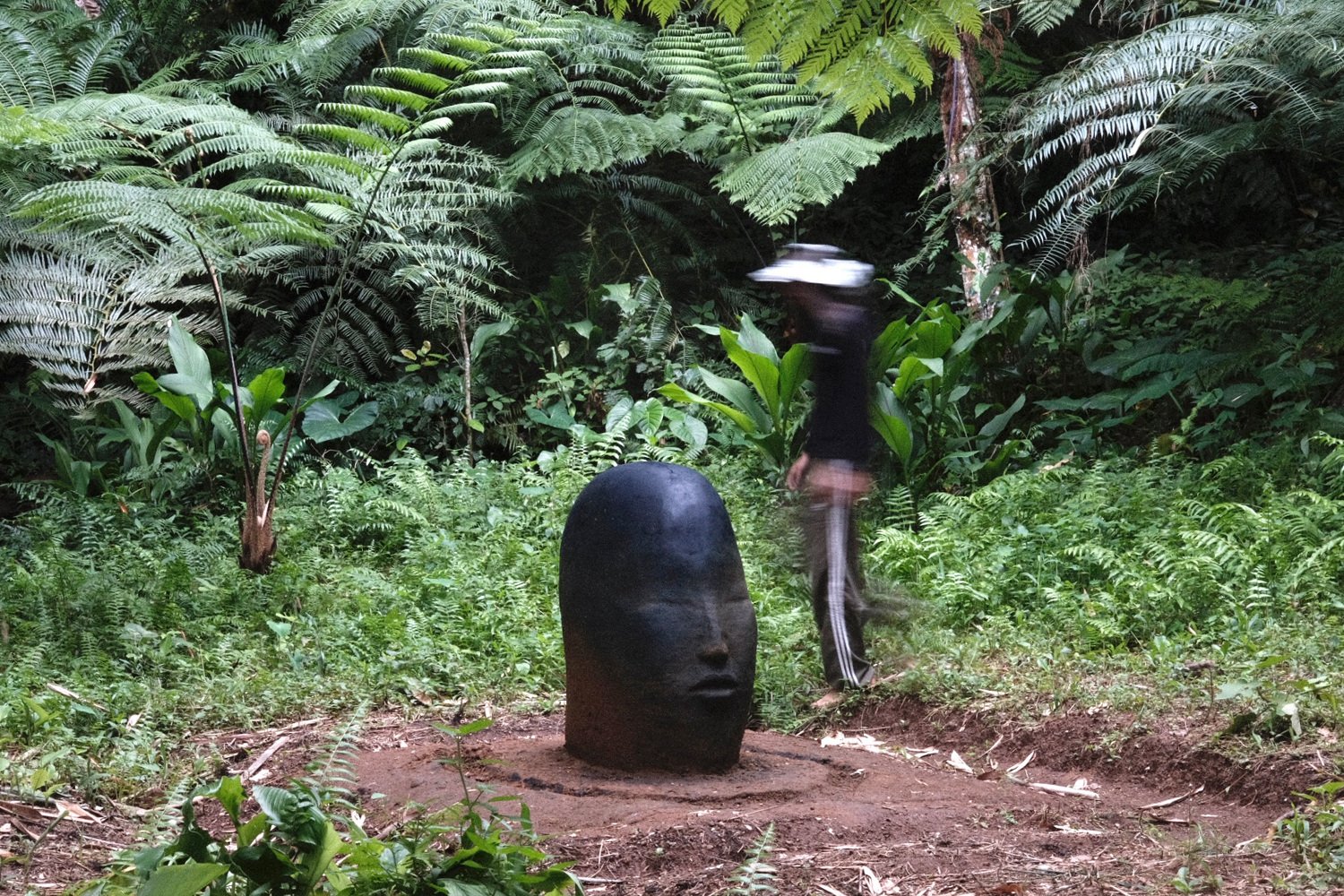
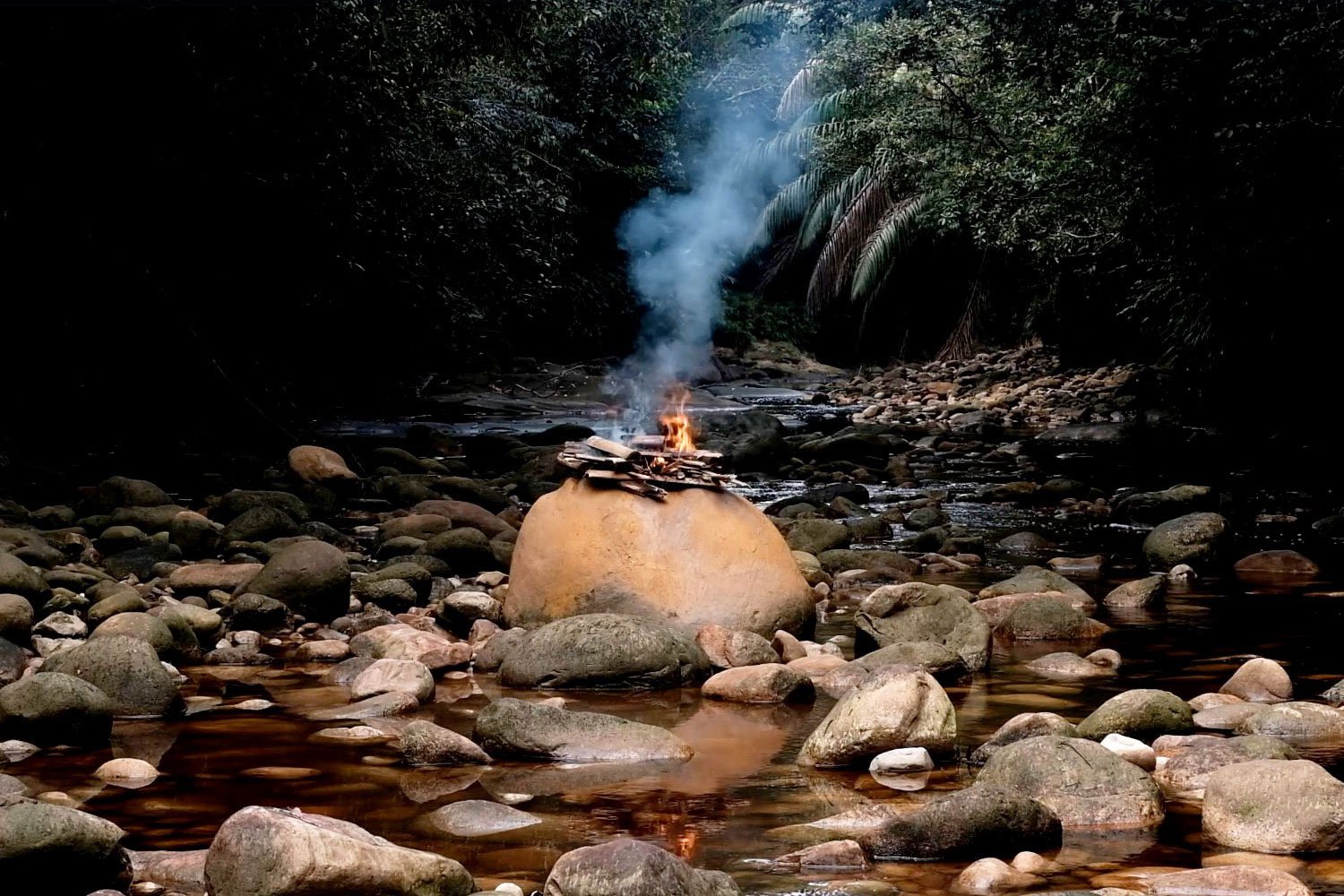
スリランカ系イギリス人アーティストArran Gregoryは、スケーターとしてのバックグラウンドをもち、Tシャツに野生動物の絵を描くことからアーティストとしての歩みを始めた。その後はメタリックな彫刻作品へと移行し、現在は都市から離れた森の中で数ヶ月を過ごしながら、自然そのものをアトリエとする制作スタイルに辿り着いた。
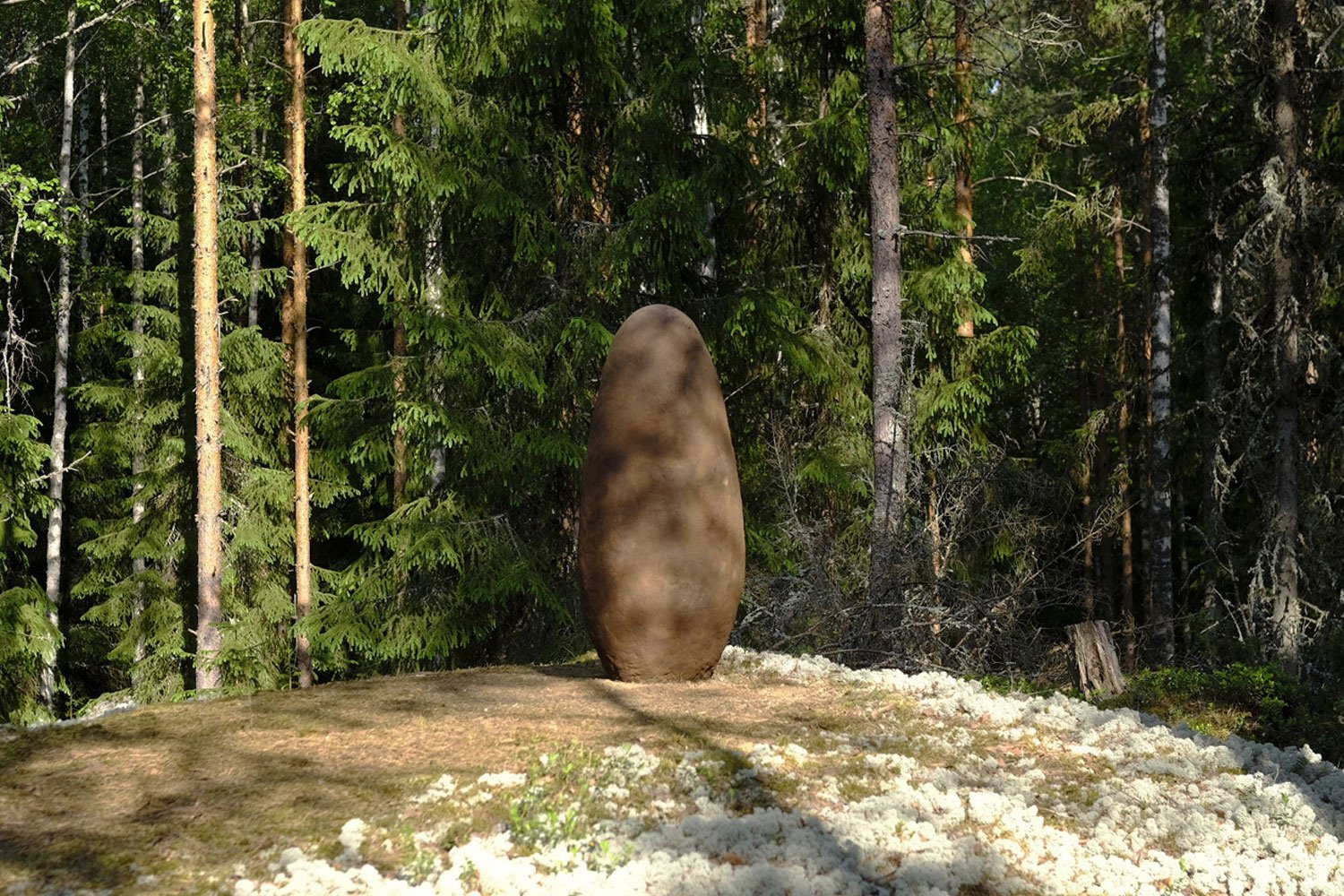
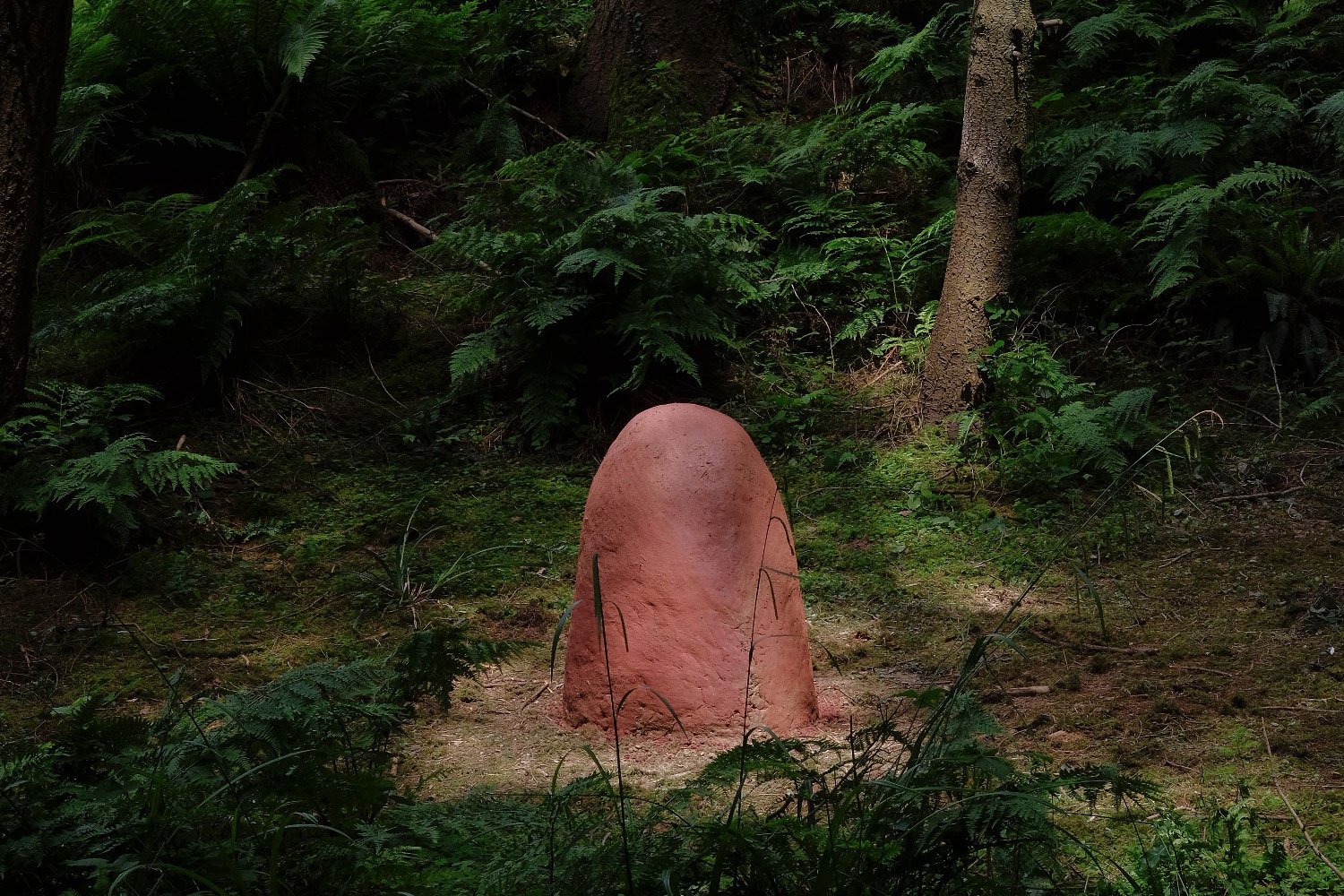
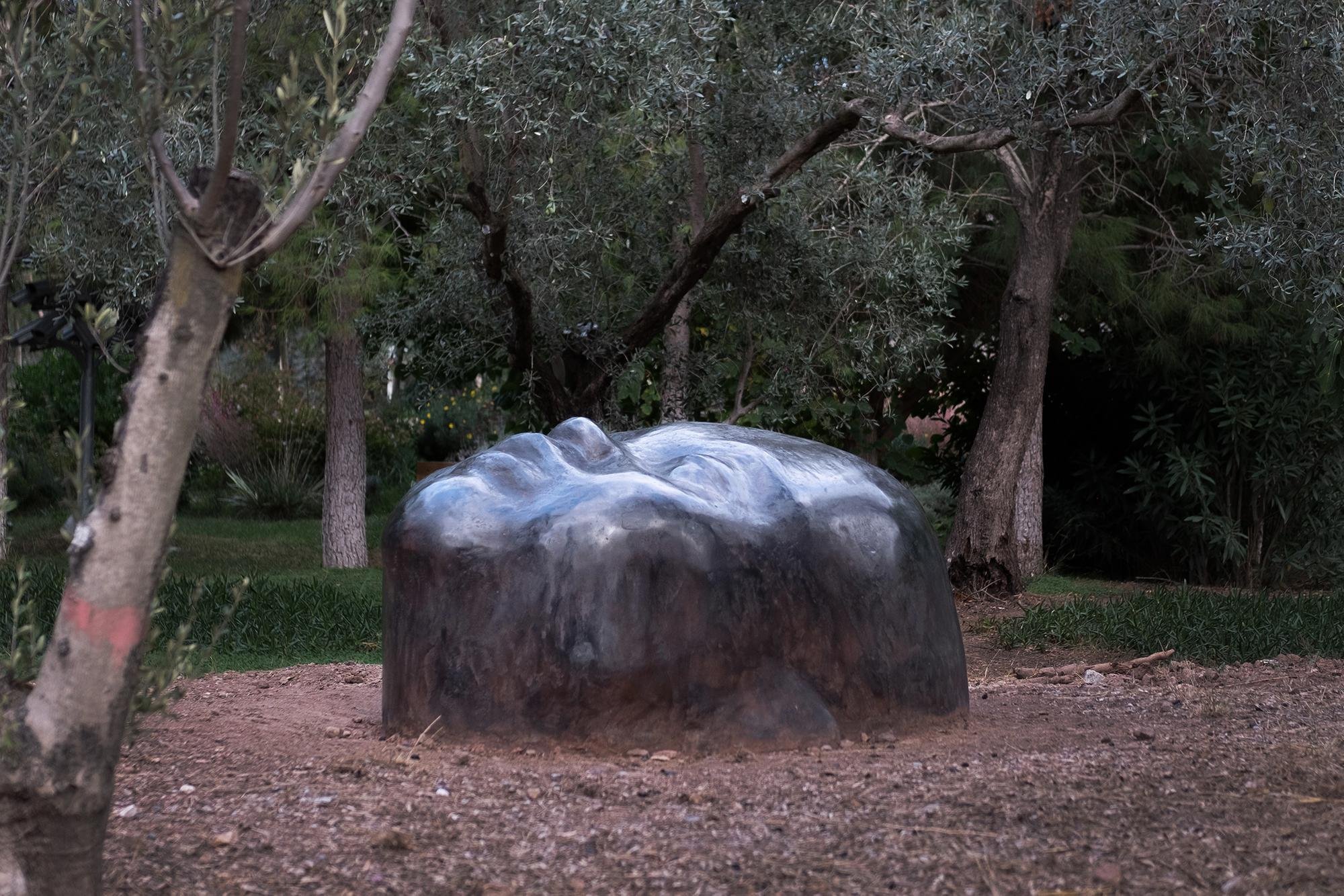
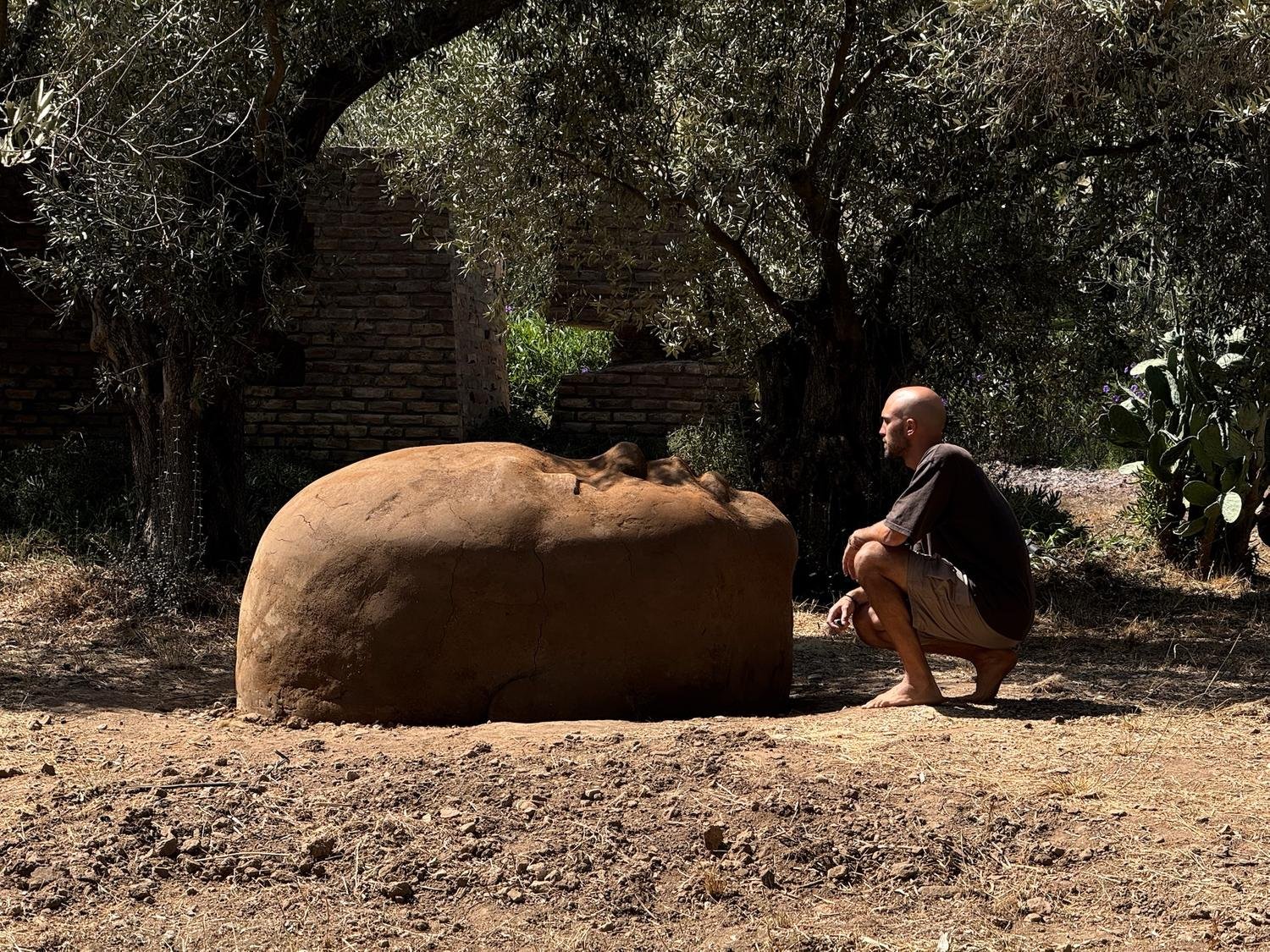
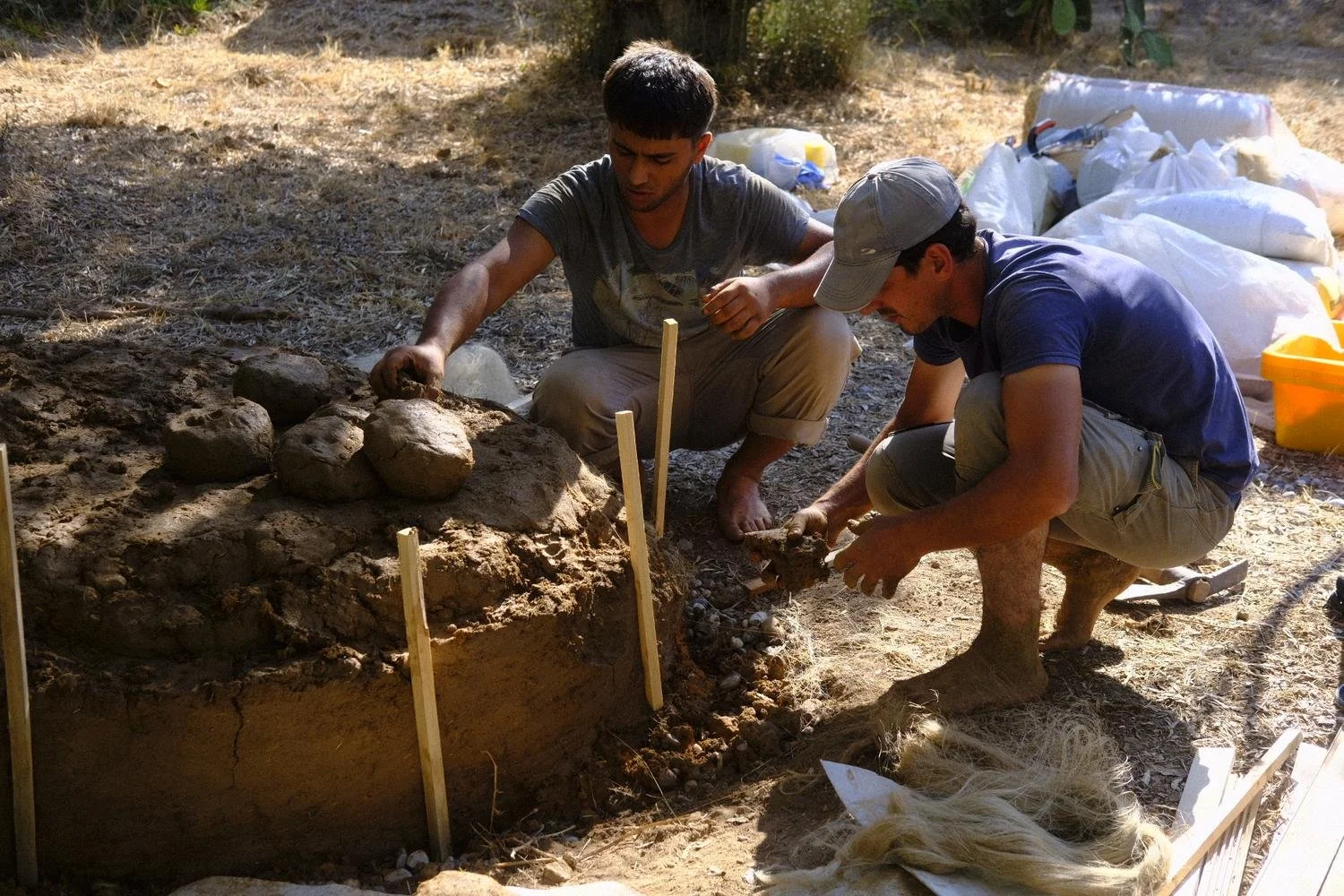
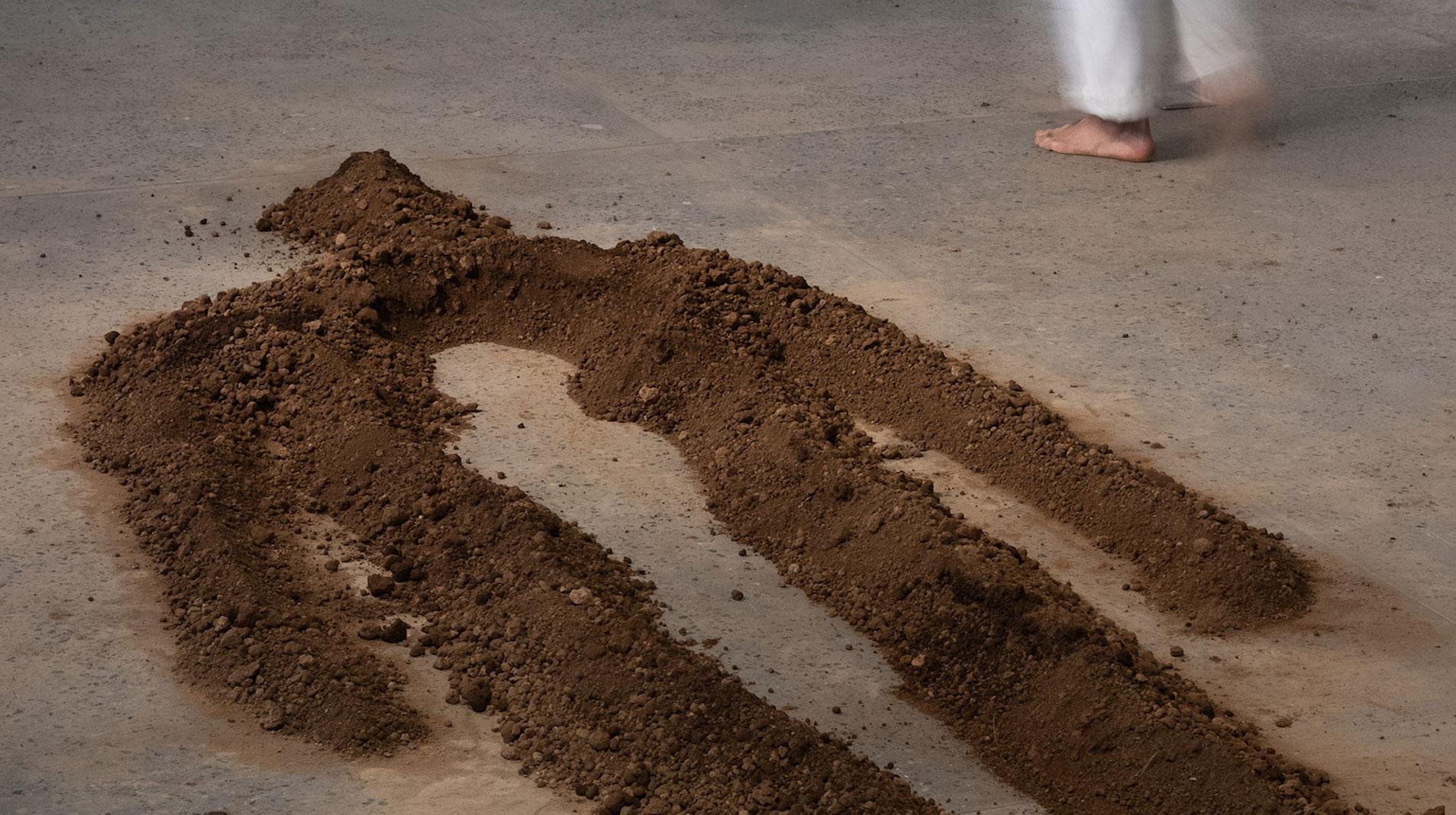
現在の彼の活動を象徴するのが、「Earth Body」シリーズだ。その場所にある土や粘土を素材に、大地と直接繋がった状態で造形されたこの作品群は、文字通り地球に身体が与えられた作品である。ただ、その形は永遠ではない。自然の中で風化し、形を変えていく。Arranは「Earth Body」シリーズを、「私たちが生きているこの世界の現実を、ただ経験し、観察するための試み」と語る。彼にとって大切なのは、形を作ることだけでなく、それが自然の流れの中で変化し、大地へと還っていく中で、何を感じ、何を考えるか。そのプロセス全体が彼の作品であるとも言える。
彼の制作プロセスは、公式サイトのResearch Journalで詳しく公開されているので、このインタビューを読み終えた後に是非覗いてみてほしい。自然を協働者として受け入れる彼の実践をより深く理解できるはずだ。
British-Sri Lankan artist Arran Gregory began his journey as an artist with a background in skateboarding, painting wild animals on T-shirts. He later moved on to creating metallic sculptures, and today he spends several months away from the city, working in the forest where nature itself becomes his studio.
His current practice is best represented by the "Earth Body" series. Using local soil and clay as his materials, he creates works in direct connection with the earth—literally giving the earth a body. Yet these forms are not permanent. They weather and change over time. Arran describes this series as "an effort to simply experience and observe the realities of our living world." For him, what matters is not only shaping forms, but how he feels and thinks as they transform and eventually return to the earth. The entire process can be considered his work in itself.
His creative process is documented in detail on his website’s Research Journal, and after reading this interview, it’s well worth taking a look. It offers a deeper understanding of his practice that embraces nature as a collaborator.
すでに存在するものに目を向ける
Drawing Attention to What Already Exists
- アーティストとして活動を始めた初期には、サソリや動物などをモチーフとしたメタリック彫刻を制作されていましたが、それらの作品では何を表現しようとしていたのでしょうか?
- In your early years as an artist, you created metallic sculptures based on motifs such as scorpions and other animals—what were you trying to express through those works?
私たちは動物です。私の作品は常に、その事実を思い出すこと、そして私たちが築き上げてきた世界の多くが実は虚構に過ぎないと気づき直すことに向けられてきました。初期の作品では、幾何学を本能へと至るための手がかりとして捉え、現代社会と、より深層にある原始的な精神とを結びつけようとしていました。
We are animals. My work has always been about remembering this and coming back to the realisation that the world we have constructed for ourselves is mostly fictional. My early work investigates geometry as a pathway to the instinctual, to connect our contemporary world with our deeper, primitive psyche.
- その後、金属などの工業的な素材から、土や粘土といった自然素材を使って作品を制作するスタイルに移行されていますが、こうした変化の背景について教えてください。
- Since then, you have shifted from working with industrial materials such as metal to creating works using natural materials like soil and clay—could you tell us about the background behind this transition?
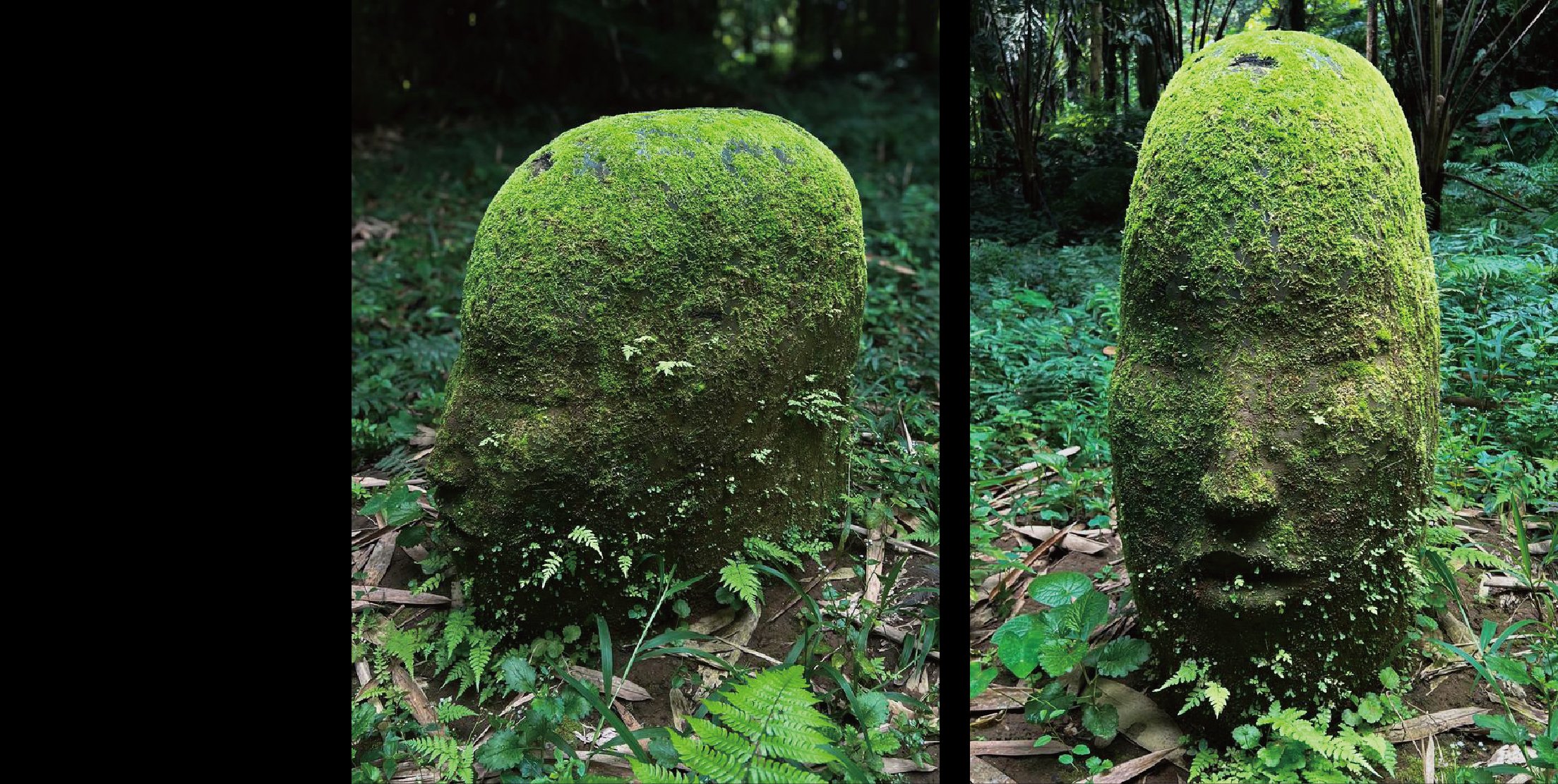
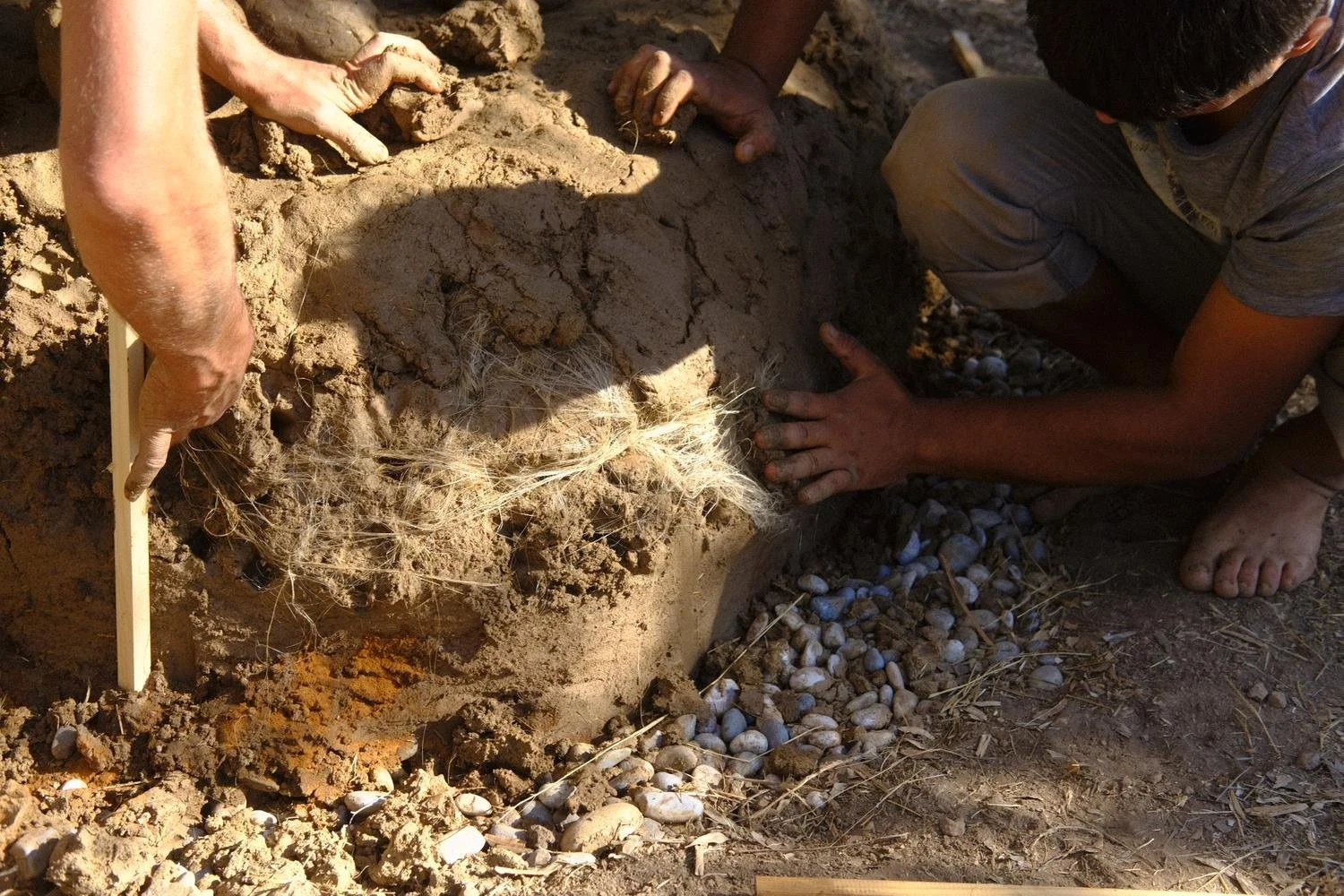
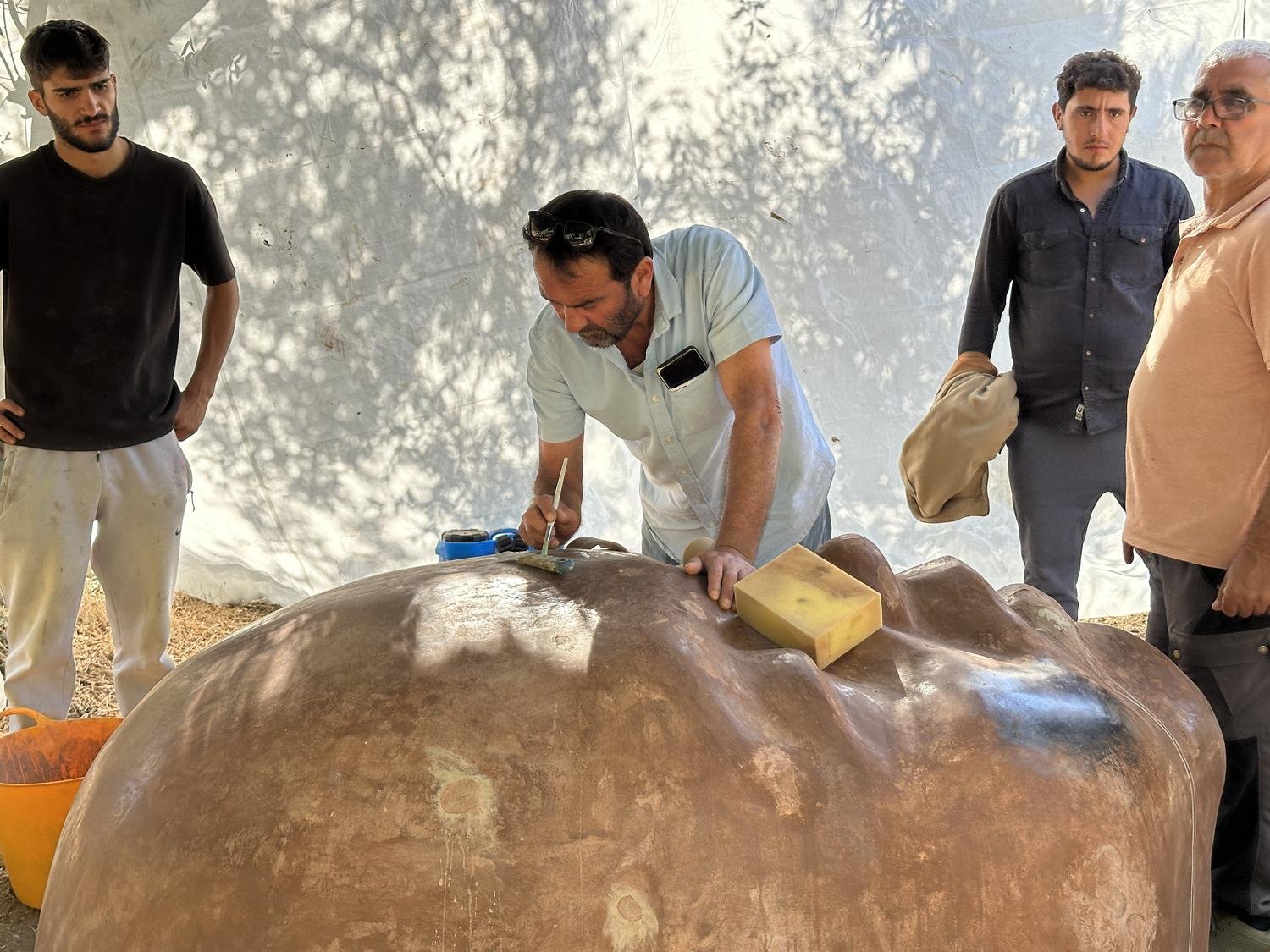
2024年にスタジオを拠点とした制作からは離れ、森の中で過ごすことに決めました。1ヶ月間を屋外で過ごし、そこで見つけた素材を使って制作を行っていました。やがて土を使って球体を作り、毎日少しずつ手を加えながら、その変化を見守っていました。その過程で、作品制作そのものが瞑想の延長のようなものになっていくのを感じました。土に触れることは心身を落ち着かせる体験であり、いつしかそれは私にとって“先生”のような存在となりました。
自然の中で時間を過ごしていると、意識のあり方が変化し、周囲の環境と調和していく感覚が生まれます。私の制作は、時間の中で何かが立ち上がるための場をつくることに重きが置かれるようになりました。形をつくり、その後は一歩引いて、自分がその場にいなくても自然が対話を続けられるようにする。それは「手放す」ということと深く関わっています。
現代の彫刻家にとって、素材の使い方を問い直すことはこれまで以上に重要だと思っています。結局のところアーティストは、これ以上“モノ”が必要とされていない世界においてもなお、さらに何かを生み出しているとも言えます。「豊かさの時代」という考え方はもはや神話であって、むしろすでに存在するものに目を向けることの方が重要だと感じています。その意味で、回収された素材や既存の素材を用いることは、とても理にかなっています。私が使う自然素材も、見つけられ、一時的に新たな形を与えられた後は、再び環境へと還っていくのです。
In 2024, I left my studio based practice and decided to go and be in the forest instead, spending a month outdoors, working with found materials. I ended up building a ball from soil, adding to it every day and seeing what would happen. I basically found that the work became an extension of my meditation practice. I found working with soil to be so grounding and it has since become my teacher.
In spending time in the wilderness, my awareness shifts, and I start to tune into the environment. My practice has become more about creating a space for something to happen over time, and I was building, I was creating, and then stepping back and allowing nature to continue the dialogue without me in the picture. It has a lot to do with letting go.
I think as a sculptor today it’s more important than ever to question the use of material. Ultimately, artists are making more ‘stuff’ in a world that needs less. The age of abundance is a myth that doesn’t add up anymore, and I feel it’s really important we draw attention to what already exists. In this case, reclaimed and existing materials make so much more sense now. The natural materials I use are found, given a new shape momentarily, and then absorbed back into the environment.
- まさに、それを象徴しているのが「Earth Body」シリーズですね。このプロジェクトは、いわゆる作品制作というよりも、自然と向き合うための一つの実践のようにも感じられます。
- Indeed, the “Earth Body” series seems to embody this approach. Rather than conventional art-making, the project feels more like a practice—an engagement with nature itself.
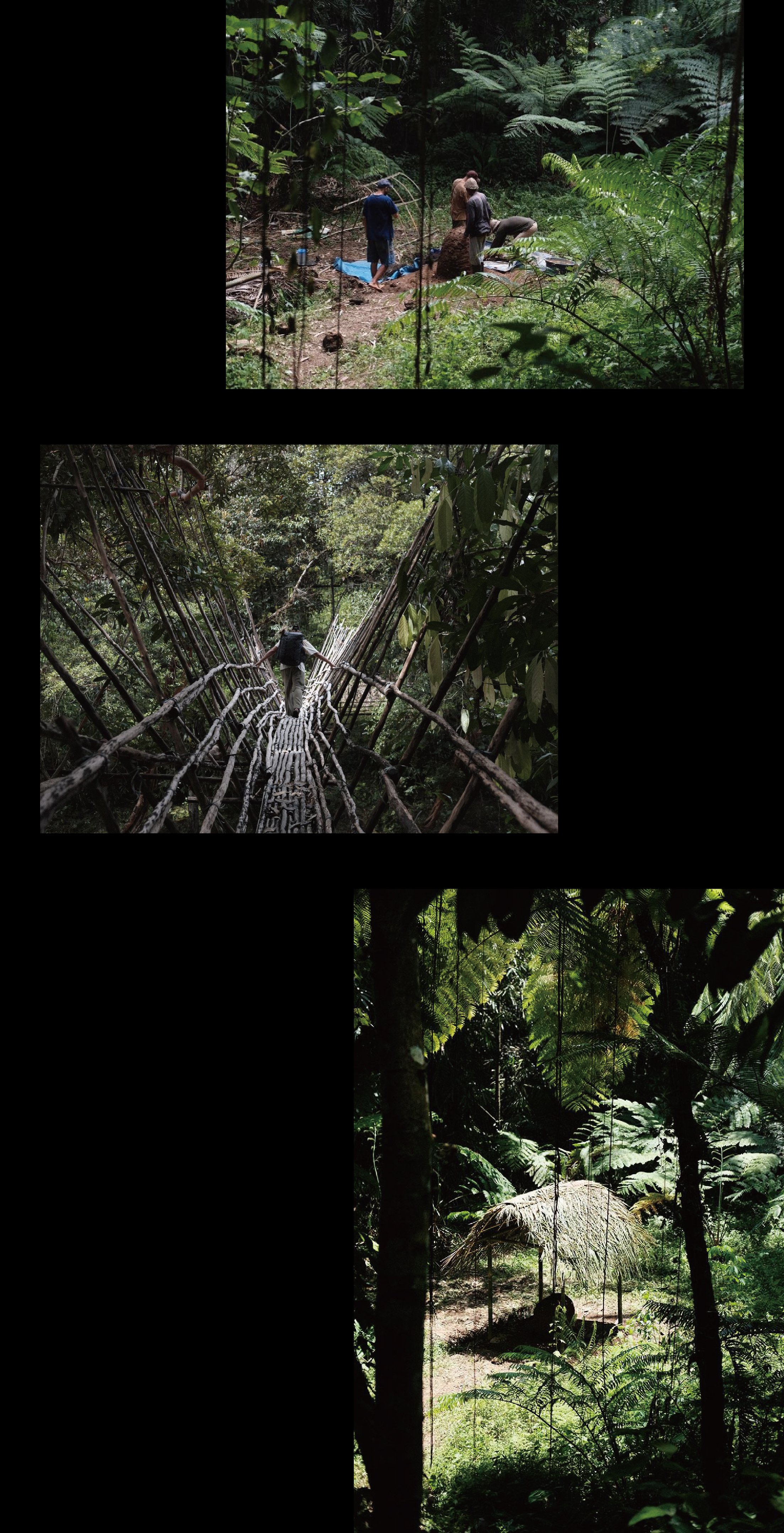
私は、「自分を通して自然を見る」のではなく、「自然を通して自分自身を知覚する」ことに関心があります。「Earth Body」シリーズは、私たちが生きているこの世界の現実を、ただ経験し、観察するための試みです。その意味で、たしかに一つの実践であると言えますね。制作はとても身体的なプロセスで、環境や天候を観察しながら、何が起こるか分からない出来事に対して常に開かれた状態でいつづけるんです。
このプロジェクトを通して私が本当に関心をもっているのは、感覚を通じて、時間の中で学び、経験するということです。そうすることで、「本当に存在しているもの」への理解が深まっていきます。私のアート制作は、虚構や投影ではなく、実際の体験に根差したものでありたいんです。自然とは、私たちが徐々に切り離してきてしまった、より高次な意識を体現するものだと捉えています。人間は種として、自然をどこかロマンティックに捉えながら、そこへと回帰することをどこかで切望しているのではないでしょうか。
I am interested in perceiving the self through nature rather than nature through the self. My “Earth Body” series is an effort to simply experience and observe the realities of our living world. Therefore, it is a form of practice, yes. It's a very physical process where I'm observing the environment, the weather conditions, staying open to an unfolding of unknown events.
What I’m really interested in through these projects is learning and experiencing through my senses and across time, so that I can deepen my understanding of that which truly exists. I want this way of making art to be about real experience, not fictional situations or projections. To me, nature represents a higher level of consciousness that we have slowly detached from. I think as a species we have come to romanticise nature, and we are longing for a return.
不可抗力を受け入れる
Accepting Events Beyond Control
- 自然の中に身を置くということは、あなたにとってどのような意味をもちますか?
- What does it mean to you to place yourself in nature?
そうした環境の中で長い時間を過ごしていると、物事をより大きな視点で捉え直すことができるようになります。そに入って行く時は、どこか気が散っていたり、落ち着かなかったり、満たされない感覚を抱えていることが多いのですが、次第に都会的な感覚がゆっくりと剥がれていって、身体が再びゆっくりとしたリズムへと馴染んでいくんです。形がどのように現れ、消えていくのか、また環境が絶えず更新され、変化しつづけていることに対して、より敏感になっていきます。
それは単なる逃避ではなく、むしろ私たちがすでに同じシステムの一部にあるということに気づくためのものです。実際に自然の中に身を置くことは、地球が自分たちの身体の延長にあることを思い出す行為でもあるんです。
Spending extended time in these environments reminds me of the bigger picture. I usually enter feeling a little scattered, fidgety or discontent. The city sheds itself slowly, and my body begins to settle into a slower rhythm again. I find myself more aware of how forms arise and dissolve, and how the environment continually renews and reshapes itself.
It’s less about escaping and more about recognising that we are already part of the same system. Entering the landscape physically is a way of remembering that the earth is an extension of our own body.
- 自然の中で制作するということは、急な天候の変化や侵食など、コントロールできない要素と隣り合わせにあるとも言えます。先ほど、作った後は手放すとおっしゃっていましたが、こうした予測できない出来事とはどのように向き合っているのでしょうか?
- Working in nature also means being constantly confronted with uncontrollable elements such as sudden changes in weather and erosion. Earlier, you mentioned that you let go after creating—how do you engage with these unpredictable events?
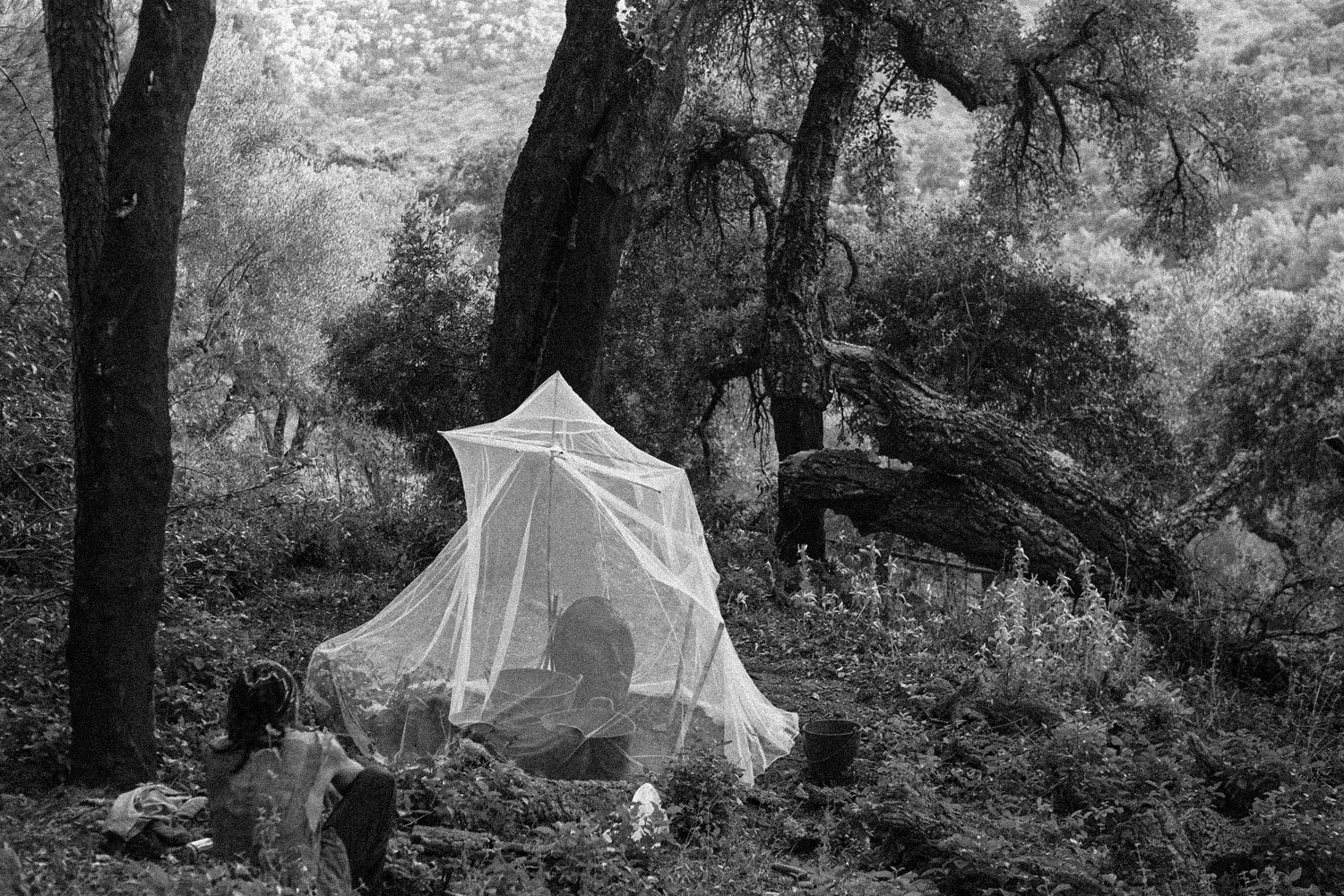
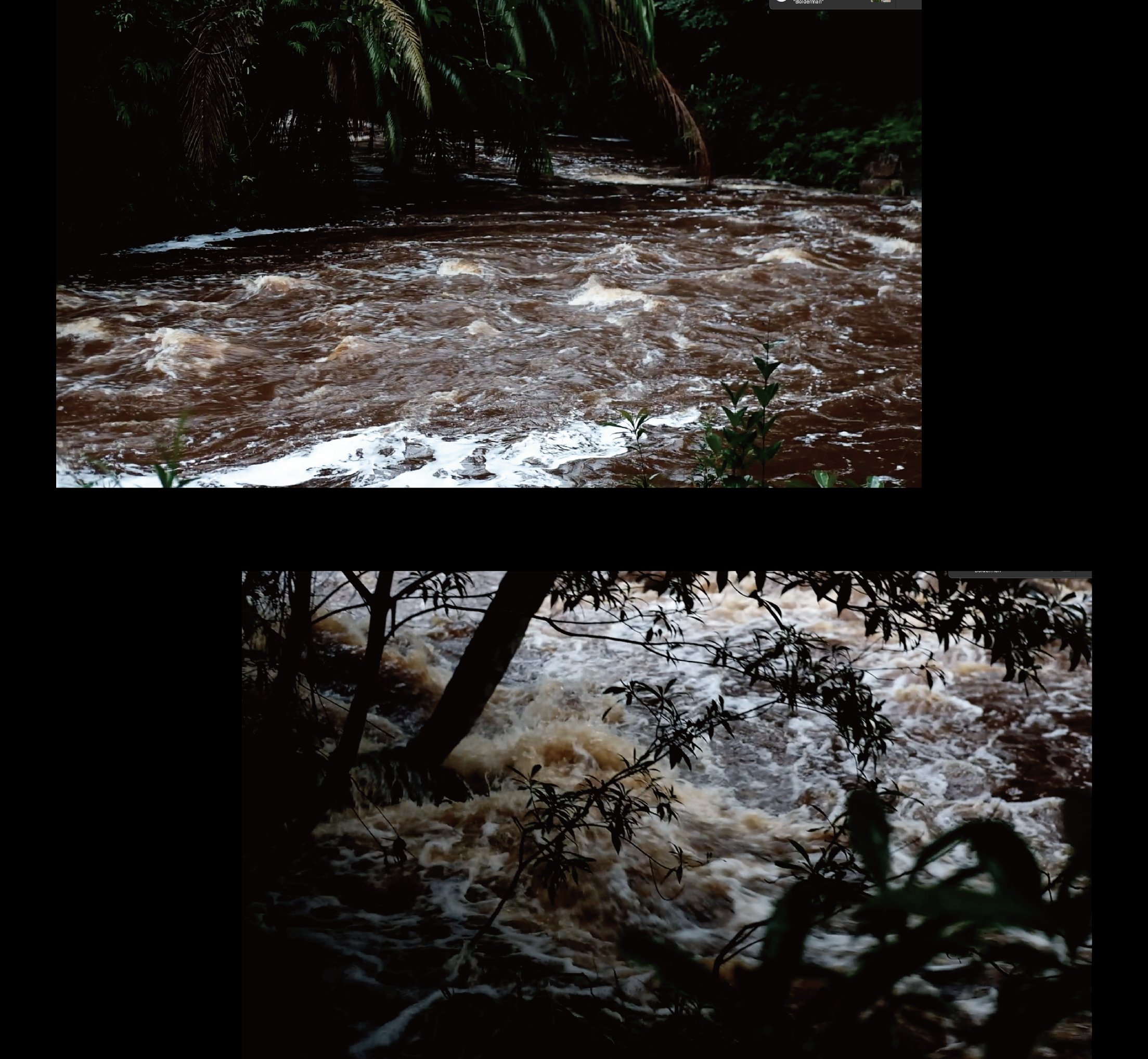
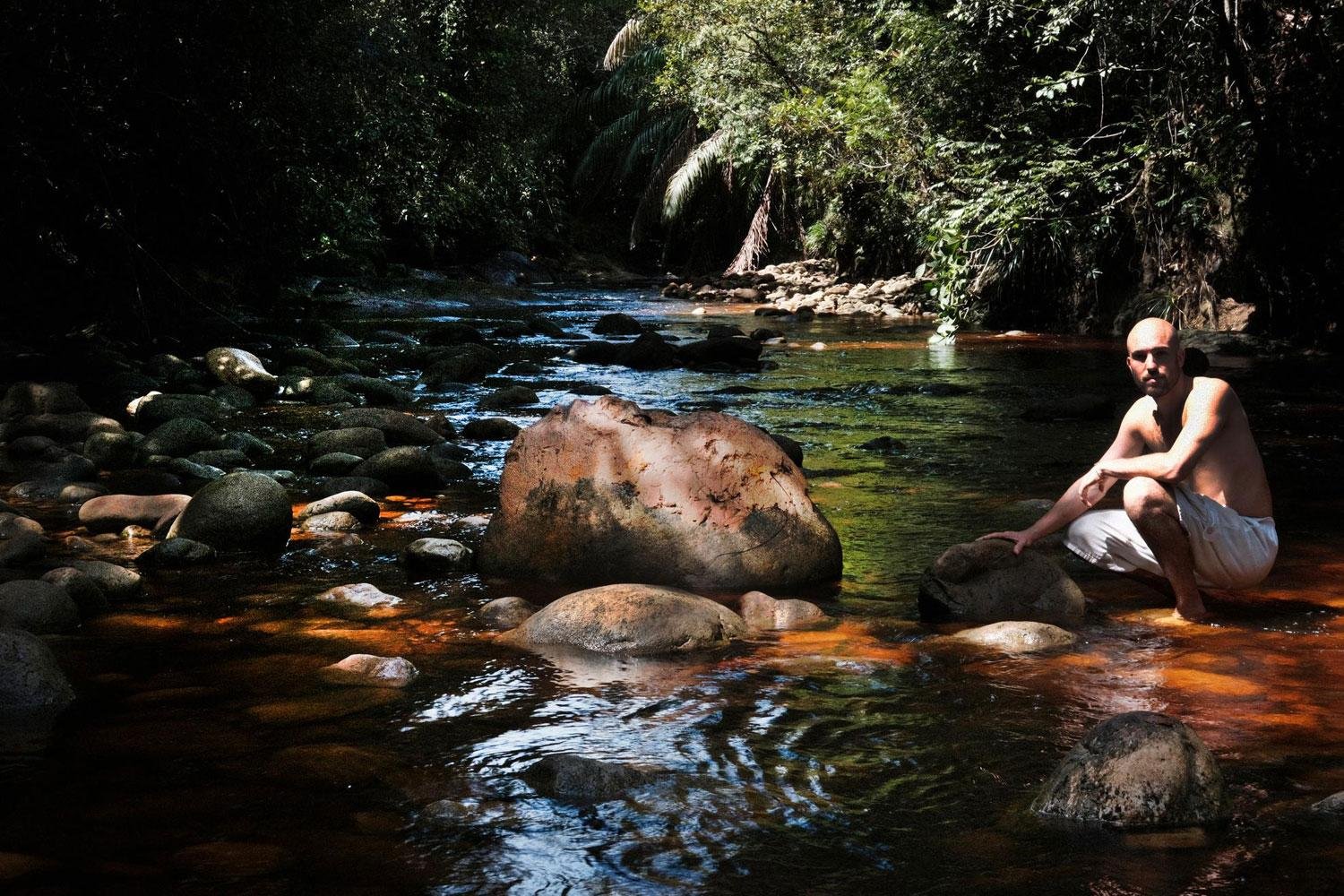
作品は、その過程で起こる全ての出来事の積み重ねによって形作られていくものなので、私はどんな出来事も作品の一部として受け入れるようにしています。それは決して簡単なことではありません。崩れてしまえばそのままにし、洪水で流されてしまえば、それも受け入れます。これまでに、アリの大群や蚊、モンスーン、42度の猛暑、そして凍りつくような寒さとも向き合ってきました。「Earth Body」のプロジェクトごとに、毎回異なる試練に直面するんです。
でも、そうした状況の中でこそ、自分の力では生み出せないような、より大きな真実のようなものが立ち上がってくると思っています。自然を協働者であり先生として受け入れることで、その答えはとても神秘的に現れてくるのです。
こうした出来事は、ジャーナルや映像として記録しています。そこで展開される物語を捉え、広げていくために、短編映像シリーズも制作してきました。
The art becomes a culmination of everything that happens along the way, so I try to welcome every event as part of the piece. This can be very challenging. If it falls apart, it falls apart, If it gets washed away in the flood, I let it. I’ve come up against armies of ants, mosquitos, monsoon, 42 degrees heat and ice cold winters. It seems for each “Earth Body” journey I’m confronted with a unique set of challenges.
It’s in this space where some kind of larger truth is revealed that is beyond what I am capable of creating. It’s allowing nature as my collaborator and teacher; the answers come in such mysterious ways.
I document these events through journaling and film. I’ve made a series of short films to capture and expand the narratives that unfold.
- あなたにとって作品が完成したと言えるのは、どのような瞬間でしょうか?
- At what point, for you, can a work be considered complete?
「Earth Body」の作品に、明確な始まりや終わりがあるとは考えていません。使っている素材は何千年も前からその環境の中に存在していたものですし、私はそれを見つけ出し、新たな形を与えることで一時的に注意を向け、そこから一歩引いて、再び大地へと還っていくのを見届けるだけなのです。環境に戻ったとしてもそれで終わりではなく、ただ私たちが気づかないだけで、そのプロセスは続いています。私たちの周りで常に起こりつづけている出来事に光を当てるような、ほんの一瞬の介入に過ぎないのです。
I don’t see “Earth Body” works as having a beginning or end point. The raw materials I use have been in the environment for thousands of years, I’m simply finding them, drawing attention by placing them into a new form, then stepping back to watch them return to the land. Once they return to the environment it’s not over, the process is still happening, we are just less able to perceive it. It’s a brief intervention highlighting everything that’s happening all around us.
- あなたはロンドンを拠点に活動しており、一方で作品の制作は都市から離れた森の中で行っています。こうした都市と自然という2つの環境の距離や関係性についてはどのように捉えていますか?
- You are based in London, while your work is created in forests far from the city. How do you perceive the distance or the relationship between these two environments, the urban and the natural?
都市について私が気に入っている考え方の一つに、「そこを離れて自然へと向かう」(その逆もまた然り)というものがあります。私は自然と同じくらい、人工的な環境によっても形作られた存在です。都市にとっては、野生から学べることが多くあると思っています。私たちは、地球上の先住民族たちの文化がもっている知恵に対して鈍感になってしまいました。彼らは私たちが生きている世界についてはるかに深い理解をもっているにもかかわらず、現代社会は彼らを他者として切り離してきました。それは極めて偽善的な態度だと思います。よく考えてみれば、地球上で最も異質な場所は、むしろ私たちの都市なのかもしれません。
One of my favourite ideas about the city is leaving it behind to go into nature (and vice versa). I am a product of the built environment as much as the natural world. I think the city has a lot to learn from the wilderness. We’ve grown blind to the wisdom held by indigenous cultures across the planet who have a far deeper understanding of the living world. Modern society has ‘othered’ them, which is totally hypocritical. If you think about it, our cities are by far the most alien places on the planet.
身体と空間が対話する
The Body and Space in Dialogue.
- あなたはスケーターとしてのバックグラウンドもお持ちですが、スケートはあなたにとってどんな存在ですか?
- You have a background in skateboarding—what does skateboarding mean to you?
私はロンドンのスケートボード・コミュニティの中で育ちました。スケーターたちはとても特別な存在で、遊びや直感を通して自分たちのフィールドを探求しています。スケートボードが、都市の活用に新たな視点を提示し、自己表現の場として機能するということはこれまでにも多く語られてきました。このカルチャーには強いDIY精神が根付いていて、創造性を仲間同士で支え合うような連帯感があります。私は10代の頃に、スケートブランドのためにTシャツに野生動物の絵を描きはじめました。
I grew up in the skateboarding community in London. Skateboarders are very special people, they explore their terrain through play and intuition. A lot has been said about how skateboarding offers an alternate perspective of the city for repurpose and self expression. The culture is very DIY and there’s a really supportive pack-mentality towards creativity. Back when I was a teenager, I began drawing wild animals on T shirts for skate companies.
- スケートボードの経験が、現在のアーティストとしての活動に影響を与えていると感じることはありますか?
- Do you feel that your experience with skateboarding has influenced your work as an artist today?
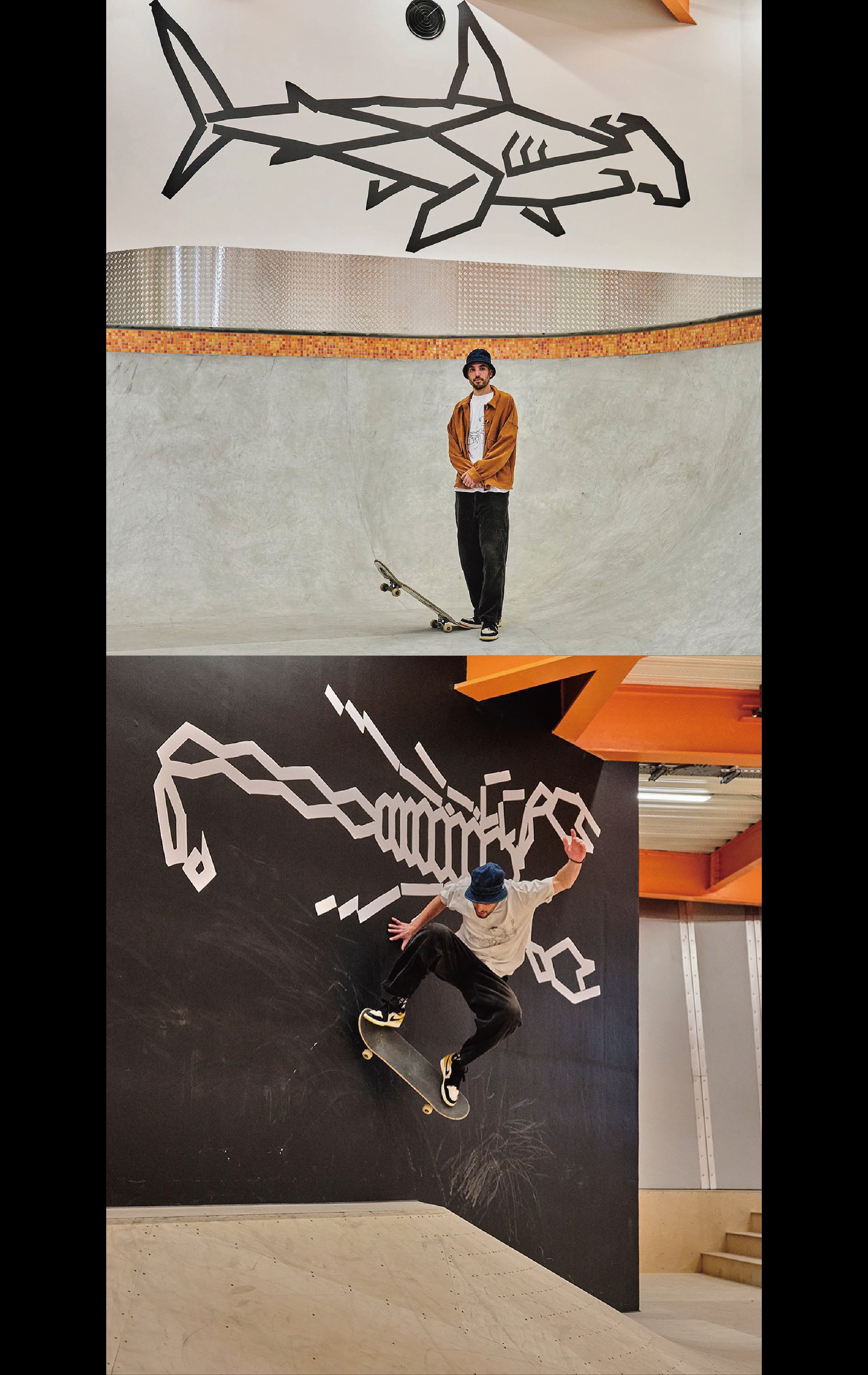
スケートボードと彫刻には多くの共通点があります。身体が空間と対話すること、そして角度、表面、ライン、幾何学といった要素を通して、空間をどのように再定義し、遊ぶかということにどちらも深く関わっています。初期の作品は、その意味でより直接的にスケートの美学と結びついていたかもしれません。優れた彫刻家の中には、きっと素晴らしいスケートパークを設計できた人も多いのではないかとよく考えたりします。いつか他のアーティストと協働してスケートパークをデザインしてみたいですね。
一方で、現在土を使って行っている制作はより有機的なものです。自然の中には直線や平らな面は存在せず、全てが揺らぎを持っています。
There are many lines to draw between skateboarding and sculpture. I think it has a lot to do with the body in dialogue with space and how space can be redefined and played with in terms of angles, surfaces, lines and geometry. My earlier work was perhaps more directly related to this in aesthetic. I often think how many sculptors would have made great skateparks. I would love to collaborate with other artists and design a skatepark one day.
The work I am doing now with soil is far more organic though, and out in the wild there are no straight lines or flat surfaces, everything is wobbly.
- 最後に、現在取り組んでいることや、今後予定しているプロジェクトについて教えてください。
- Finally, could you tell us about what you are currently working on and any projects you have planned for the future?
今は都市に戻って、再利用した建設廃材の粘土を使いながら「Earth Body」の実践をさらに発展させていて、今年の夏にロンドンで展示するシリーズの作品に取り組んでいるところです。また、1960〜70年代初頭にかけてのイギリスのランド・アートについても調べていて、自分のルーツでもあるイギリスという地を探求していきたいと思っています。来月にはスコットランドへの一人旅も予定しているので、それも楽しみですね。
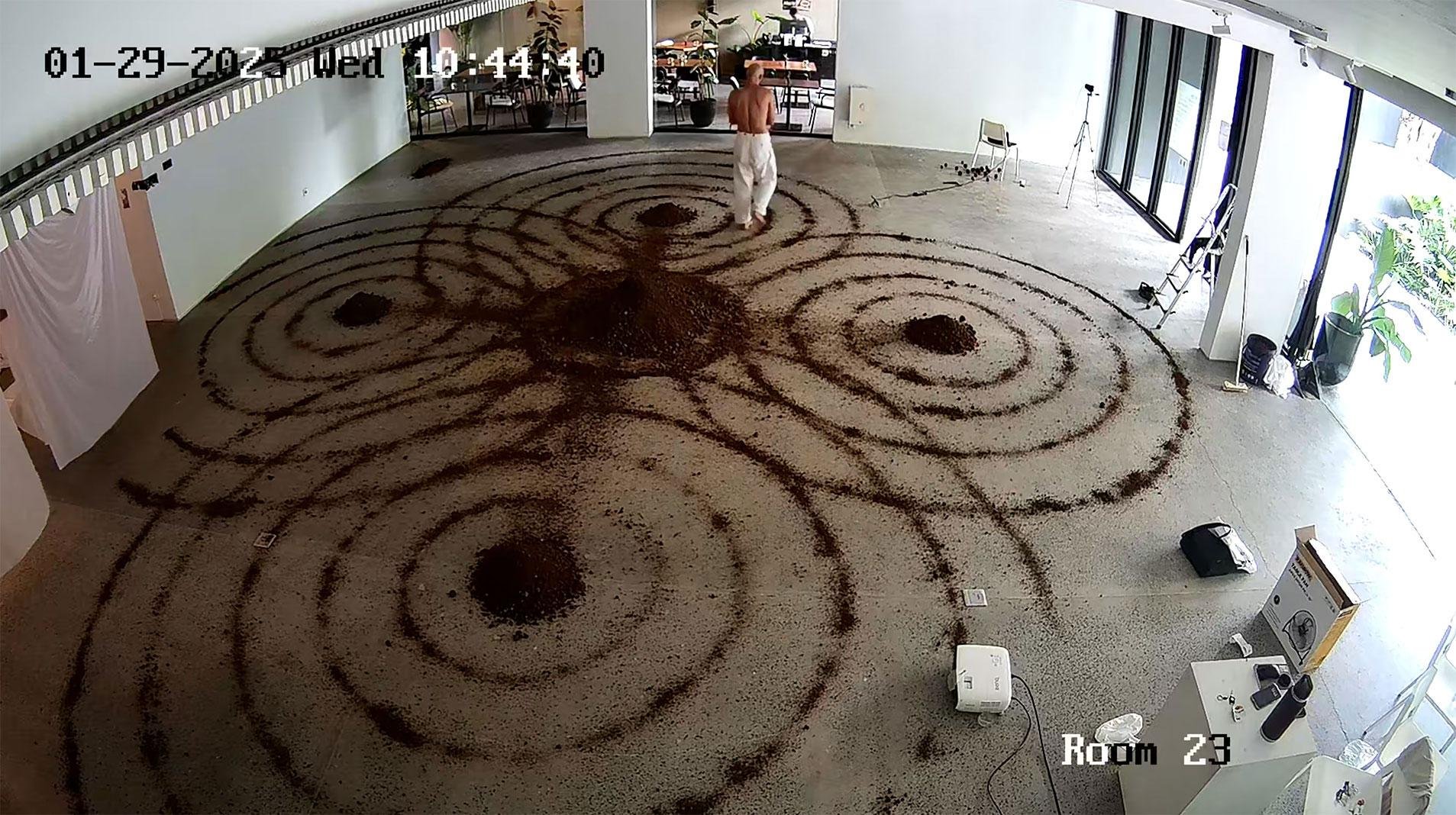
今後は、このアプローチをスタジオの外へと拡張して、より没入的な環境へと展開していきたいと考えています。土地や場所に応じた作品や、パフォーマンス、映像、集団的な儀式などの要素を制作に取り入れていきたいと思っています。この実践を通じて、自然との関係をより深め、彫刻を通して、人々が地球や自身の本能的な感覚と再び繋がることを目指しているんです。
At the moment I’m continuing to develop the “Earth Body” practice back in the city where I’ve been using reclaimed construction waste clay. I’m working on a series of works to exhibit this summer in London. I’ve been researching the British Land Art scene from the 60s and early 70s and am interested in exploring my homeland here in the UK. I have a solo trip up to Scotland next month planned which I’m excited for.
Looking ahead, I want to keep expanding this approach beyond the studio and into more immersive environments. That includes developing more site-responsive works, and bringing performance, film, and collective ritual into the process too. My aim is for this practice to continue evolving toward a deeper relationship with nature, where sculpture becomes a way of reconnecting people with the earth and with our own instinctual relationship to it.
––––––––––
Profile
1987年生まれ。イギリス・ロンドンを拠点に活動するスリランカ系イギリス人アーティスト。2009年にChelsea College of Artを卒業。イラストレーション、グラフィックデザイン、絵画、彫刻など、さまざまな領域を横断しながら、作品を段階的に発展させてきた。近年はパフォーマンスや機能的なデザインへと領域を広げている。
Born in 1987, Arran Gregory is a British-Sri Lankan artist based in London, UK. He graduated from Chelsea College of Art in 2009. Working across a range of disciplines—including illustration, graphic design, painting, and sculpture—he has developed his practice gradually over time. In recent years, he has expanded his work into performance and functional design.
arrangregory.com
IG: @arrangregory––––––––––
Edit & Text: Yuki Akiyama
